

Russia Initiates Physical Gold Sales After 25-Year Hiatus to Address Budget Gap
In a significant policy shift, Russia has commenced selling physical gold from its central bank reserves for the first time in a quarter-century. This strategic move aims to bridge a widening budget deficit, primarily fueled by sustained military expenditure and economic pressures from international sanctions.
Unprecedented Scale of Gold and Currency Sales
Regulatory data reveals a substantial divestment by Russian authorities. Between 2022 and 2025, the nation sold gold and foreign currency valued at over RUB 15 trillion (approximately $150 billion). This was followed by an additional RUB 3.5 trillion ($35 billion) in just the first two months of 2026. Specifically, the Central Bank of Russia offloaded 300,000 ounces of gold in January 2026 and another 200,000 ounces in February.
Transition from Notional to Physical Transactions
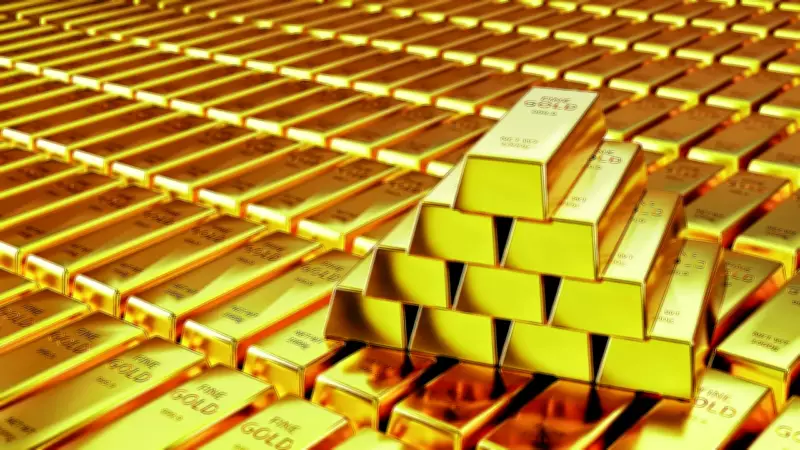
Historically, Russia's gold transactions were largely notional, involving internal transfers between the Ministry of Finance and the central bank without the physical movement of bullion. However, recent months have marked a departure from this practice, with the central bank now selling actual gold bars directly into the market. This shift underscores a more aggressive approach to liquidity management amid fiscal challenges.

As a result, Russia's gold holdings have diminished to 74.3 million ounces, the lowest level in four years. The disposal of 14 tonnes in January and February 2026 represents the largest two-month sale since the second quarter of 2002, when 58 tonnes were offloaded in a single tranche.
Mounting Fiscal Pressures and Budget Deficit
The decision to liquidate gold reserves comes as Russia's fiscal position faces increasing strain. The government concluded 2025 with a budget deficit of 2.6% of GDP, starkly contrasting with an initial projection of 0.5%. Economists estimate the actual deficit could be closer to 3.4%, with some payments deferred to 2026 to mitigate the reported gap.
Pressure on the budget has intensified due to weakened oil prices in the latter half of the year and tightened US sanctions. These factors have reduced the contribution of oil and gas tax revenues to about 20% of total revenues, roughly half of pre-war levels.
Influence of Surging Gold Prices and Reserve Valuation
The sharp rise in bullion prices, exceeding $5,000 per ounce, has also influenced the decision to sell gold. This price surge has elevated Russia's international reserves to over $809 billion as of February 28, 2026, including around $300 billion of assets frozen in the West. Within this total, gold reserves alone are valued at approximately $384 billion.
Russia currently holds more than 2,000 tonnes of gold, positioning it as the world's fifth-largest sovereign holder, according to World Gold Council data. The country had accumulated these reserves over years to reduce dependence on dollar-denominated assets, particularly after sanctions following the annexation of Crimea in 2014 and the invasion of Ukraine in 2022.
Broader Funding Strategies and Economic Implications
Since 2022, the Ministry of Finance has employed multiple channels to manage budget pressures. These include drawing from the National Welfare Fund, which retains about RUB 4 trillion, increasing issuance of domestic OFZ treasury bonds, and raising value-added tax rates, which contribute roughly 40% of government revenues.
The shift to selling physical gold indicates that Russia is now tapping its liquid reserve buffers more directly, highlighting the growing fiscal strain as the conflict in Ukraine extends into its fourth year. This move reflects a critical juncture in Russia's economic strategy, balancing reserve management with ongoing geopolitical and financial challenges.






