

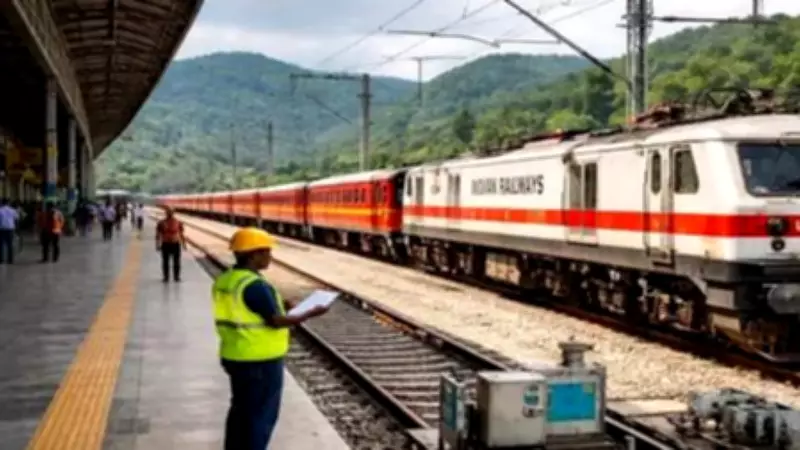
Economic Survey 2025-26 Flags Railway Freight Rate Distortions
The Economic Survey 2025–26 has raised significant concerns about the current structure of railway freight rates in India, highlighting how cross-subsidisation is creating market distortions that ripple through the economy. According to the survey, these artificially high freight rates are not only distorting competition with road transport but are also contributing to higher commodity prices, increased consumer inflation, and elevated overall logistics costs across the country.
Call for Elimination of Cross-Subsidies
Reiterating proposals from the Electricity Amendment Bill, 2026, the survey has recommended the complete elimination of cross-subsidies for both railways and the manufacturing sector within the next five years. It argues that rationalising these freight rates could lead to improved revenue buoyancy for the railways while encouraging a significant shift of freight movement from congested roads to more efficient rail networks.
Currently, the system operates where lower electricity tariffs for domestic and agricultural consumers are subsidised through higher charges imposed on industrial and commercial users, which notably includes the railways. Despite the Electricity Act of 2003 mandating state electricity regulatory commissions to progressively reduce such cross-subsidies, the survey points out a persistent issue: the average billing rate for manufacturing enterprises and railways continues to exceed the average cost of power supply.

Proposed Reforms and Balanced Approach
The survey notes that the Electricity Amendment Bill, which is expected to be tabled in Parliament during the upcoming Budget session, aims to introduce much-needed reforms. These reforms focus on promoting cost-reflective tariffs and rationalising the existing cross-subsidy structures. "Going forward, a balanced approach could include phased tariff increases and quotas for subsidised categories, along with voluntary and category-based exclusions," the survey suggests, outlining a potential pathway for transition.
Improvements in Power Distribution Sector
In related developments, the survey highlighted several government measures that have strengthened the financial health of power distribution companies (discoms). These efforts have resulted in a cumulative profit after tax of Rs 2,701 crore—marking the first profit since their corporatisation. This positive outcome was accompanied by a reduction in overall losses, which decreased from Rs 6.9 lakh crore in 2023–24 to Rs 6.5 lakh crore in the fiscal year 2025.
Key reforms contributing to this turnaround include:
- Stricter payment discipline through revised late payment surcharge rules
- Formula-based monthly tariff adjustments to avoid cash-flow gaps
- Pass-through of prudent power procurement and network costs
- Timely release of state subsidies
- Reduction in aggregate technical and commercial losses
Additionally, power quality and reliability have shown improvement following fund releases under the revamped distribution sector scheme.
Recommendations for Regulatory Commissions
The survey further recommends that state regulatory commissions should allow a reasonable return on equity to boost investor confidence in the sector. It emphasises the need to ensure cost-reflective tariffs that are aligned with approved revenue requirements and to facilitate the liquidation of accumulated revenue gaps, which would contribute to long-term financial stability.
These findings underscore the interconnected nature of India's transportation and energy sectors, where policy decisions in one area can have cascading effects on economic efficiency, inflation, and overall competitiveness.






