

In a significant pre-budget submission, India's micro, small, and medium enterprises (MSMEs) have presented a charter of demands to the Finance Ministry, seeking crucial interventions to ensure their survival and growth. The proposals, articulated ahead of the Union Budget for 2026-27, focus on easing financial stress, simplifying compliance, and building safeguards against global economic volatility.
Core Demands: Credit, Compliance, and Countering Shocks
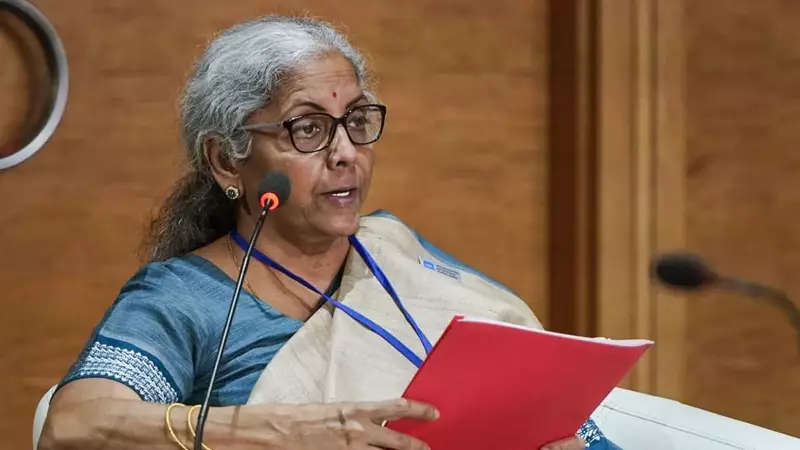
The Association of Indian Entrepreneurs (AIE), a Chennai-based body representing gig workers, traders, and micro-entrepreneurs, formally outlined these requests in a letter to Union Finance Minister Nirmala Sitharaman on December 26, 2025. A central plea is for "fair access" to credit, including a statutory mandate for collateral-free lending of up to Rs 1 crore for micro enterprises, coupled with an interest rate cap of 6-7%. The association has also proposed an interest subvention scheme during periods of economic stress, framing it as a necessary counter-cyclical tool.
On the compliance front, MSMEs are pushing for a significant reduction in regulatory burden. Key asks include:

- Higher exemption thresholds under the Goods and Services Tax (GST) regime.
- A single, simplified GST return form specifically for micro units.
- Time-bound GST refunds processed within 15 days, with statutory interest payable for any government delay.
- Complete decriminalization of minor procedural lapses.
- A Unified Annual Compliance Return to replace multiple filings under GST, labour, and local laws.
Shielding from Global Volatility and Building Resilience
Recognizing the vulnerability of small businesses to international disruptions, the AIE's proposals include several measures for risk mitigation. A major recommendation is the creation of an Export Risk Equalisation Fund to compensate micro exporters suddenly impacted by tariff hikes in foreign markets. Additionally, they seek temporary duty drawback enhancements and interest relief during such "tariff shocks."
To manage currency fluctuations, the association has advocated for a forex fluctuation protection scheme tailored for micro enterprises with limited capacity for complex financial hedging. They have suggested that the Reserve Bank of India (RBI) could develop simplified hedging instruments with subsidised costs for this sector.
For times of severe global crisis, such as wars disrupting supply chains, the AIE proposes an 'Emergency Working Capital Window'. They have also recommended a freight equalisation subsidy for micro exporters during periods of abnormal container shortages and volatility, along with priority access to containers through public sector shipping companies and ports.
A Call to Prevent "Silent Exit" of Micro Units
KE Raghunathan, Founder Chairman of AIE, underscored the urgency of these measures in the communication. He stated that micro enterprises are operating under extraordinary stress due to policy asymmetry, external shocks, and structural neglect. "While India aspires to become a global manufacturing and export hub, the smallest units that feed the supply chain are being systematically weakened," Raghunathan warned. He cautioned that without decisive, budget-backed interventions, a large section of micro enterprises might silently exit the market, causing irreversible damage to employment and domestic manufacturing capacity.
The submission also includes a request for interest-free loan assistance to be extended to micro enterprises for import substitution development costs, aiming to bolster self-reliance. As the government finalizes its budget preparations, the MSME sector's demands highlight the critical need for targeted policy support to strengthen the foundation of India's industrial ecosystem.






