

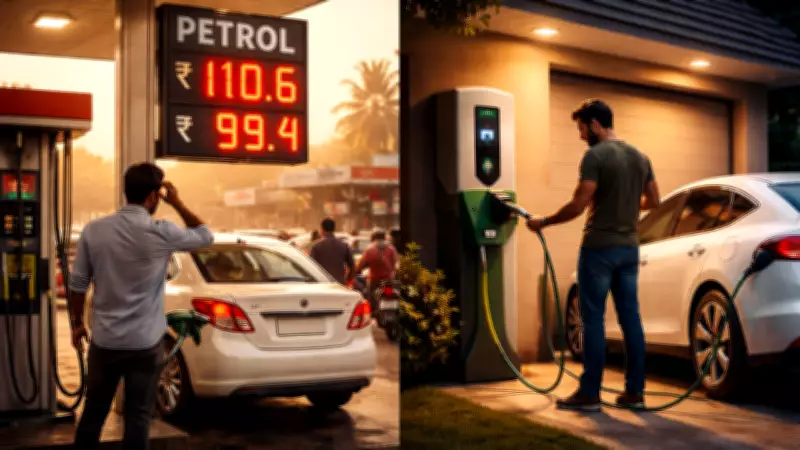
Geopolitical Tensions in Middle East Spark Petrol Price Concerns, Reviving EV Interest
Renewed geopolitical tensions involving Israel, the United States, and Iran are raising significant fears about potential disruptions to global oil supply chains. These developments are drawing fresh attention to the possibility of increased petrol prices worldwide, with countries like India particularly vulnerable due to their heavy reliance on imported crude oil. As a result, consumers are increasingly assessing long-term ownership costs, with electric vehicles emerging as a practical alternative in this volatile environment.
Critical Oil Supply Routes Under Threat
The Middle East plays a pivotal role in global oil production and transportation, with any instability in the region capable of sending shockwaves through international crude markets. A primary concern for energy traders and analysts is the strategic Strait of Hormuz, a narrow maritime passage through which approximately one-fifth of the world's oil supply flows daily. Any disruption to shipping through this critical chokepoint could significantly tighten global oil supply and trigger substantial price increases.
India imports over 80% of its crude oil requirements, making domestic petrol and diesel prices exceptionally sensitive to international market trends. If crude prices escalate due to prolonged geopolitical tensions in the Middle East, Indian consumers could face substantially higher fuel costs in the coming months. This potential scenario is prompting many prospective vehicle buyers to seriously examine electric alternatives that offer insulation from global oil price fluctuations.

Electric Vehicles: From Niche to Mainstream Consideration
Electric vehicles have gradually transitioned from a specialized segment to a more widely considered option in recent years, with rising petrol prices serving as a significant catalyst for this shift. Buyers are increasingly focusing on total cost of ownership rather than just the initial purchase price, recognizing that operational expenses represent a substantial portion of vehicle ownership costs over time.
Running costs present one of the most compelling differences between conventional petrol vehicles and electric alternatives. Petrol-powered cars remain dependent on fuel prices that fluctuate with global markets, taxation policies, and distribution expenses. In contrast, electric vehicles operate primarily on electricity, which typically results in significantly lower per-kilometre costs, especially when charged at home during off-peak hours. For commuters with predictable daily travel patterns, this can translate to substantial operational savings over the vehicle's lifespan.
EV Adoption Challenges and Considerations
Despite their operational advantages, electric vehicle adoption in India involves several important considerations:

- Higher Initial Investment: Electric cars generally command a higher upfront purchase price compared to comparable petrol models, largely due to battery technology costs. While government incentives and subsidies have narrowed this gap in certain segments, the initial price differential remains a significant consideration for many budget-conscious buyers.
- Charging Infrastructure Development: Public charging networks in India have expanded considerably in recent years, though availability varies dramatically across different regions. Major metropolitan areas have witnessed faster growth in charging point deployment, while smaller towns and rural regions continue to experience limited coverage. For many prospective owners, home charging remains the most practical and convenient option, particularly for those with dedicated parking facilities.
- Range and Trip Planning: Modern electric vehicles typically offer driving ranges between 300 and 500 kilometres on a single charge, which adequately covers most urban commuting requirements. However, longer intercity journeys may require careful planning around charging station locations, unlike petrol vehicles that benefit from India's extensive network of fuel stations.
- Maintenance and Battery Considerations: Electric powertrains generally involve lower maintenance costs due to fewer moving components compared to internal combustion engines. Items such as engine oil, spark plugs, and complex transmission systems are eliminated. Nevertheless, buyers must consider long-term battery health and potential replacement costs, though manufacturers now typically provide extended battery warranties to address these concerns.
Environmental Factors and Market Dynamics
Environmental considerations also influence growing buyer interest in electric vehicles. EVs produce zero tailpipe emissions, which can contribute meaningfully to reducing urban air pollution levels. However, the overall environmental impact depends significantly on how electricity is generated, with cleaner energy sources enhancing the ecological benefits of electric mobility.
Petrol-powered vehicles continue to dominate the Indian automotive market due to their lower purchase prices and the country's well-established refuelling infrastructure. Nevertheless, rising fuel costs and persistent uncertainty surrounding global oil supply chains are encouraging more consumers to reconsider their transportation options. The current geopolitical tensions involving Israel, the United States, and Iran highlight how international events can directly impact domestic fuel prices, creating a direct link between global developments and local economic conditions.
Practical Considerations for Prospective Buyers
As a result of these converging factors, electric vehicles are becoming an increasingly practical consideration for more Indian buyers. While they may not suit every user profile or driving pattern, lower running costs and a gradually expanding charging ecosystem are enhancing their relevance as fuel price volatility persists. For consumers planning their next vehicle purchase, the choice between petrol and electric vehicles increasingly involves careful assessment of:
- Long-term operating costs and potential savings
- Access to reliable charging infrastructure
- Driving patterns and range requirements
- The potential impact of global oil market developments on future fuel prices
- Environmental considerations and sustainability goals
This comprehensive evaluation reflects a maturing automotive market where consumers are becoming more sophisticated in their purchasing decisions, balancing immediate financial considerations with long-term economic and environmental factors.





