

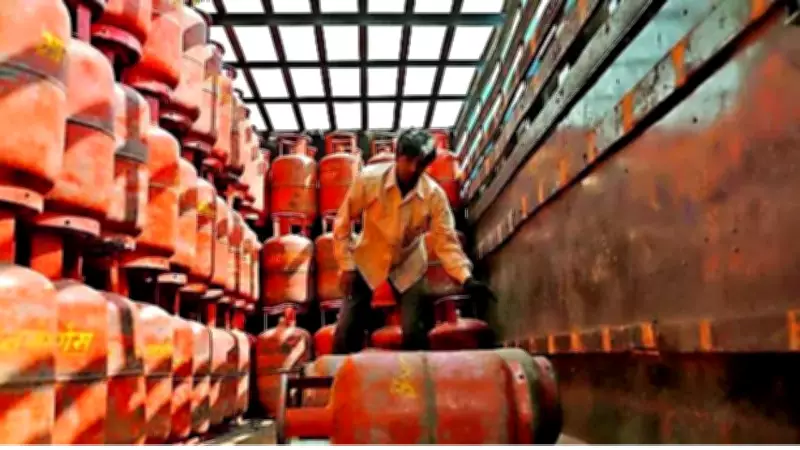
LPG Shortage Triggers Widespread Panic and System Failures Across India
Anxiety over a severe LPG shortage has now fully engulfed the domestic sector, sparking a wave of panic bookings for cooking gas cylinders. This crisis is being compounded by persistent server glitches in the IVRS and various online booking platforms, driving frustrated consumers to form long queues outside distribution agencies nationwide. The resulting chaos is straining both consumers and suppliers, creating a perfect storm of logistical and digital failures.
Government Directives Fail to Assure Consumers Amid Supply Uncertainty
Despite clear government directives to prioritize domestic LPG supplies, consumers report that on-the-ground availability remains highly uncertain and unreliable. Dealers have confirmed that while commercial LPG supply has come to a complete standstill, domestic deliveries have not ceased entirely but have slowed dramatically. This sharp reduction in delivery speed has left households scrambling to secure their essential cooking fuel.
Digital Booking Systems Crash Under Unprecedented Surge
The situation escalated as an unprecedented surge in bookings flooded digital platforms, including mobile apps and official websites. The sheer volume of traffic caused servers to crash repeatedly, prompting people across major cities to abandon online methods and rush directly to dealer outlets in hopes of securing cylinder refills. This digital breakdown has exposed critical vulnerabilities in the nation's LPG distribution infrastructure.

Consumers Face Inaccessible Systems and Cancellation Alerts
Consumers from all regions have lodged complaints that IVRS numbers, WhatsApp booking channels, and other LPG reservation systems are either completely inaccessible or utterly unresponsive. Repeated attempts to book cylinders often end with the same frustrating message: "server down." Many who managed to place orders earlier are now receiving unexpected cancellation alerts, adding to their distress and confusion.
Long Queues Form Outside Distribution Centers Nationwide
Scenes of desperation have emerged outside LPG outlets in Delhi, Gurgaon, Mumbai, Kolkata, Lucknow, Chennai, and numerous other cities. Queues stretch for hours, populated by women accompanied by young children, elderly residents clutching empty cylinders, and office-goers who have taken precious time off work. The human toll of this shortage is becoming increasingly visible in urban and suburban landscapes.
Distributors Admit System Not Built for Heavy Traffic
Shashi Kant Sharma, Vice-President of the Federation of LPG Distributors of India, acknowledged that the current booking system was never designed to handle such massive traffic volumes. "Bookings have risen tenfold, so the system has slowed to a crawl. We are working on backend solutions, but the scale of the surge has overwhelmed existing capacities," he stated, highlighting the systemic inadequacies.
Legal Challenges Emerge Over Continued LPG Exports
Adding a legal dimension to the crisis, the Nagpur bench of the Bombay High Court has sought responses from the Centre, the Directorate General of Foreign Trade, and Confidence Petroleum India. This follows a petition filed by six LPG distributors who argue that continued LPG exports during a domestic shortage violate the government's March 9 directive. That order imposed restrictions on exports of essential commodities and mandated prioritization of household supply, making current export practices appear contradictory.
Corporate and Hospitality Sectors Adapt to Crisis
The LPG shortage is now impacting broader economic sectors. Following Infosys, Cognizant has alerted its employees, encouraging them to adopt "Bring Your Own Food" policies wherever feasible. Meanwhile, hotels, restaurants, caterers, canteens, street vendors, and other food services are being forced to slim down menus, shut outlets temporarily, and explore alternative cooking methods. The ripple effects are spreading through India's hospitality and corporate landscapes.

This multifaceted crisis underscores the urgent need for robust digital infrastructure and reliable supply chain management in essential commodities. As consumers endure long waits and system failures, the collective call for swift governmental and industrial intervention grows louder across the nation.





