

Iran Unveils 10 Million Rial Banknote as Economic and War Pressures Mount
In a stark response to escalating economic turmoil and the ongoing US-Israel conflict, Iran has introduced its highest-value banknote to date—a 10 million rial note. This new currency, valued at approximately $7, is already circulating through banks, as long queues form outside cash machines and many run dry. The situation is compounded by fears that electronic payment systems could fail amid the heightened tensions.
Economic Crisis Deepens with Currency Collapse
The issuance of the pink banknote, which features the historic Jameh Mosque of Yazd on one side and the ancient Bam Citadel on the other, marks a sharp escalation in Tehran's efforts to combat spiraling inflation and a collapsing currency. It overtakes the 5 million rial note introduced just weeks earlier. Authorities claim the measure aims to "ensure public access to cash," even as digital banking remains officially prioritized.
This rapid rollout reflects a deeper financial crisis. Iran's rial has plunged to around 1.6 million to the US dollar, nearing record lows, which has severely eroded purchasing power after years of sanctions and economic isolation. Inflation has surged dramatically, with basic goods becoming increasingly unaffordable. Food prices have doubled over the past year, and some staples have risen even more sharply, forcing families to drastically cut back on essentials.

Social Unrest and Crackdowns
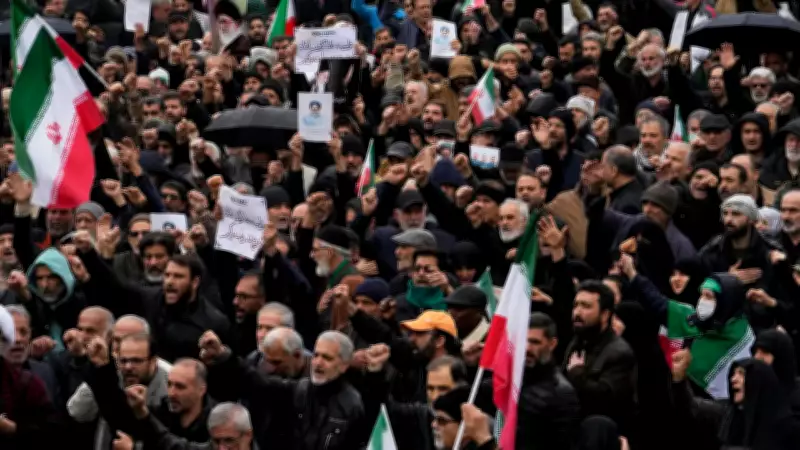
The economic strain has been building for months. Protests erupted earlier in January over the rising cost of living, leading to a sweeping government crackdown. Dozens of businesses were closed for allegedly supporting the unrest, and internet shutdowns during that period wiped out incomes for many small entrepreneurs, particularly those reliant on online platforms. This has left lasting scars on already fragile livelihoods.
War Intensifies Financial Pressure
Now, the war has intensified the pressure on Iran's financial system. Continued US and Israeli strikes, including attacks on key nuclear facilities such as Natanz, have deepened uncertainty. While officials report no radiation leaks, the conflict has rattled markets and further weakened investor confidence. As a result, cash transactions have surged, with traders and merchants increasingly avoiding credit or cheques due to fears of instability.
The combination of economic collapse, social unrest, and military conflict paints a grim picture for Iran's future, as the country grapples with one of its most challenging periods in recent history.






