

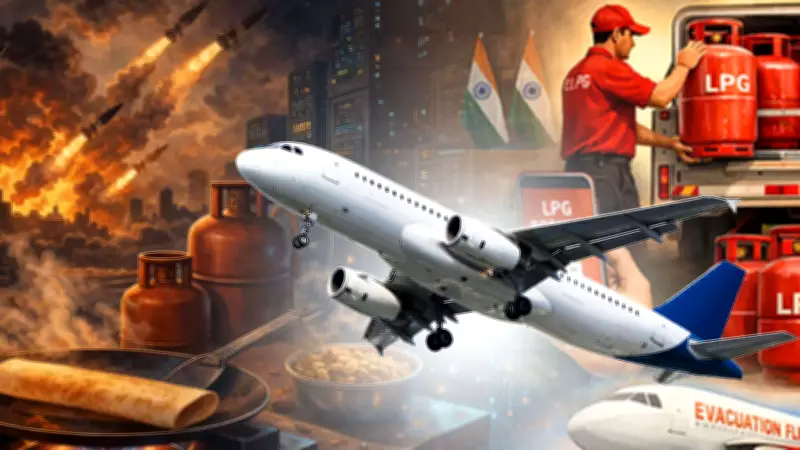
Iran Conflict Ripples Through India: LPG Prices Soar, Airfares Set To Jump
The distant echoes of conflict in the Middle East are now resonating loudly across Indian households and businesses. The ongoing military tensions between Iran and the United States, unfolding thousands of kilometers away, have triggered a severe and immediate economic shockwave in India, primarily through the volatile global fuel market.
Fuel Price Surge Hits Core Sectors
The most visible impact is the sharp escalation in fuel costs. Commercial Liquefied Petroleum Gas (LPG) cylinder prices have witnessed a significant hike, directly increasing operational expenses for restaurants, hotels, and catering services. Major metropolitan centers like New Delhi and Kolkata are already experiencing the pinch, with food establishments forced to recalibrate their pricing models to absorb these rising input costs.
Simultaneously, the aviation sector is bracing for a major upheaval. Aviation Turbine Fuel (ATF), or jet fuel, prices have skyrocketed, breaching historic highs. This unprecedented surge is compelling domestic and international airlines operating in India to implement substantial fare increases. Industry analysts warn that consumers should prepare for noticeably higher ticket prices in the coming weeks as carriers pass on the cost burden. Some airlines are also reportedly reconsidering the viability of certain routes to mitigate financial strain.

A Chain Reaction of Economic Pressure
This crisis extends far beyond the hospitality and aviation industries. It represents the beginning of a dangerous chain reaction with the potential to destabilize broader economic stability.
- Weakening Rupee: The Indian rupee has depreciated against the US dollar, exacerbating the situation by making all fuel imports more expensive.
- Inflation Threat: The combined effect of rising fuel, transportation, and food service costs poses a direct threat to India's inflation rate, putting pressure on the Reserve Bank of India's monetary policy.
- Household Budgets: The ultimate burden will fall on Indian families. Increased airfares will curb travel demand, while higher restaurant prices and potential knock-on effects on goods transportation will squeeze household budgets.
As global supply chains tighten and geopolitical uncertainty drives oil market volatility, India is confronting the tangible and immediate cost of a foreign conflict. The nation's heavy reliance on imported energy has made it acutely vulnerable to these international shocks. The situation underscores how interconnected the global economy is, where a war in one region can swiftly translate into higher living expenses for citizens in another.
The coming months will be critical. The government and regulatory bodies will be under pressure to manage the fallout, potentially exploring measures to cushion the impact on consumers and critical industries. For now, the message is clear: the economic ripples from the Iran-US confrontation have reached Indian shores, and their effects are being felt in very real terms.






