India's Wholesale Price Inflation Accelerates to 3.88% in March
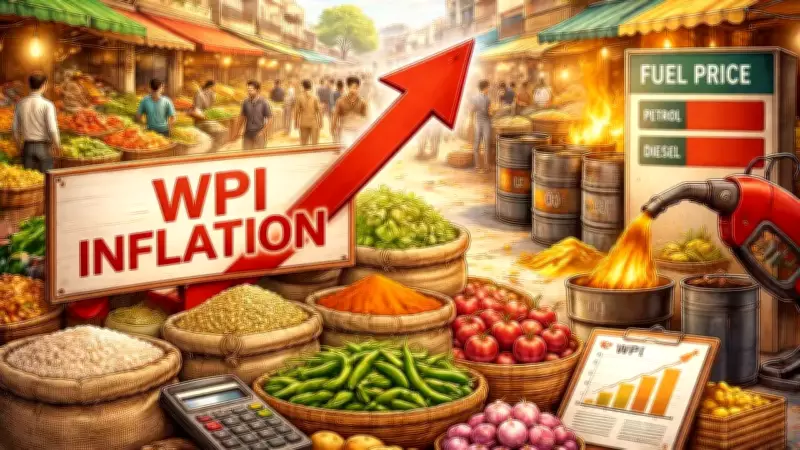
India's wholesale price index inflation for March 2026 rose significantly to 3.88 percent, according to official government data released on Wednesday. This marks a notable increase from the 2.13 percent recorded in February and the 2.25 percent observed in March of the previous year.
Key Drivers Behind the Inflation Surge
The Ministry of Industry attributed the positive inflation rate primarily to escalating prices across several critical sectors. The main contributors included:
- Crude petroleum and natural gas
- Manufactured products
- Non-food articles
- Basic metals
- Food items
Specifically, the fuel and power category witnessed a dramatic turnaround, with inflation reaching 1.05 percent in March compared to a contraction of 3.78 percent in February. The price of crude petroleum experienced an extraordinary surge, with inflation skyrocketing to 51.57 percent from a negative 1.29 percent in the preceding month.

Manufactured Goods and Food Price Trends
Inflation in manufactured goods also climbed, rising to 3.39 percent in March from 2.92 percent in February. However, there was a slight moderation in food price increases. Inflation in food articles eased to 1.90 percent from 2.19 percent, with vegetable inflation slowing considerably to 1.45 percent from 4.73 percent in February.
Impact of West Asia Conflict on Global Oil Markets
The rise in wholesale prices occurs against the backdrop of the ongoing conflict in West Asia, following military strikes by the United States and Israel on Iran. This geopolitical tension has pushed global crude oil prices substantially higher, with oil prices increasing by more than 50 percent since the crisis began on February 28.
In response to the steep surge in international crude prices—which climbed from approximately $70 per barrel to nearly $122 per barrel within a month, representing an increase of about 75 percent—the Indian government implemented a strategic measure. On March 26, the government reduced excise duty by Rs 10 per litre on both petrol and diesel to shield consumers from the direct impact of rising crude oil prices.
Retail Inflation and Monetary Policy Context
Separately, retail inflation based on the Consumer Price Index also edged higher, rising to 3.4 percent in March from 3.21 percent in February, mainly due to increased prices of certain food items. The Reserve Bank of India maintained interest rates unchanged in its first bi-monthly monetary policy review this month, with the central bank continuing to prioritize retail inflation as a key determinant in setting benchmark lending rates.