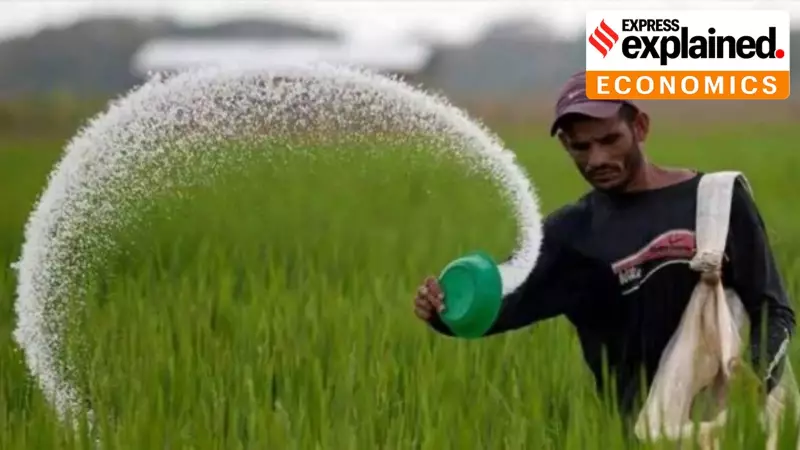
India is staring at a potential urea crisis that could severely impact the agricultural sector and food security. The situation has been brewing for months, with multiple factors converging to create what experts warn could be a perfect storm for farmers across the nation.
The Global Supply Chain Squeeze
International urea prices have skyrocketed, making imports prohibitively expensive for India. Global rates have surged from approximately $250 per tonne to over $500 per tonne within a short span. This price shock comes at a time when India typically relies on imports to bridge the gap between domestic production and agricultural demand.
Domestic Production Challenges
India's domestic urea production has failed to keep pace with growing agricultural requirements. Several factors contribute to this shortfall:

- Aging production facilities that require frequent maintenance and upgrades
- Gas supply issues affecting fertilizer manufacturing plants
- Logistical challenges in distribution across states
Impact on Farmers and Agriculture
The potential urea shortage comes at a critical time for Indian agriculture. Urea is essential for key crops including wheat, rice, and pulses. A scarcity could lead to:
- Reduced crop yields during crucial planting seasons
- Increased input costs for farmers already facing financial stress
- Potential black marketing and hoarding of available stocks
- Long-term impact on soil health and productivity
Government Response and Alternatives
The government is exploring multiple strategies to address the situation, including accelerating urea imports, optimizing domestic production, and promoting alternative fertilizers. However, each solution comes with its own set of challenges in the current global economic climate.
The timing of this potential crisis couldn't be worse, as India prepares for important agricultural seasons that feed millions and contribute significantly to the national economy. How this situation unfolds will have far-reaching consequences for food prices, farmer livelihoods, and overall economic stability.