

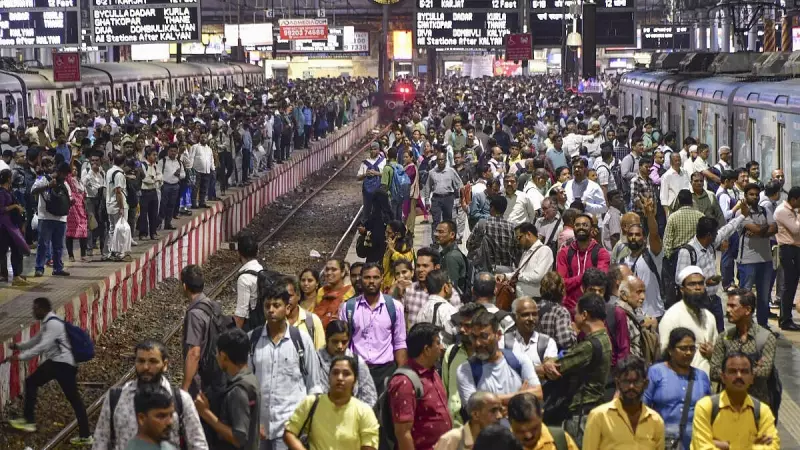
The Rise of India's Middle Class: A Force for Change
India's middle class is growing at a rapid pace. This expansion is not just about numbers. It represents a significant shift in the country's social and economic landscape. More people now have access to education and better jobs. They are demanding higher standards of living and greater transparency from their leaders.
Economic Impact and Consumer Power
The middle class in India is becoming a powerful economic force. With increased disposable income, they are driving consumption across various sectors. From real estate to retail, their spending habits are fueling growth. This economic clout gives them a louder voice in policy discussions. Businesses are listening closely to their needs and preferences.
Key factors contributing to this rise include urbanization and technological advancements. Cities are expanding, offering more opportunities for employment and entrepreneurship. Digital tools have made it easier for people to access information and services. This connectivity empowers the middle class to advocate for their rights and interests.

Political Influence and Governance
As the middle class grows, so does its political influence. Voters from this demographic are more informed and engaged. They expect accountability from elected officials and government institutions. This demand for checks and balances is strengthening democratic processes in India.
Public policies are increasingly shaped by middle-class priorities. Issues like infrastructure development, healthcare, and education are at the forefront of political agendas. Leaders must address these concerns to gain support. The middle class is not just a passive observer; it is an active participant in shaping the nation's future.
Challenges and Opportunities Ahead
Despite the progress, challenges remain. Income inequality and access to quality services are persistent issues. The middle class must navigate these hurdles while continuing to push for reforms. However, the opportunities are vast. With its growing influence, this group can drive sustainable development and social justice.
- Increased demand for better public services
- Greater emphasis on environmental sustainability
- Support for innovation and entrepreneurship
In conclusion, India's middle class is at a pivotal moment. Its rise is transforming the economy and politics in profound ways. By advocating for transparency and accountability, it is helping to build a more resilient and inclusive society. The future looks promising as this demographic continues to grow and assert its influence.






