

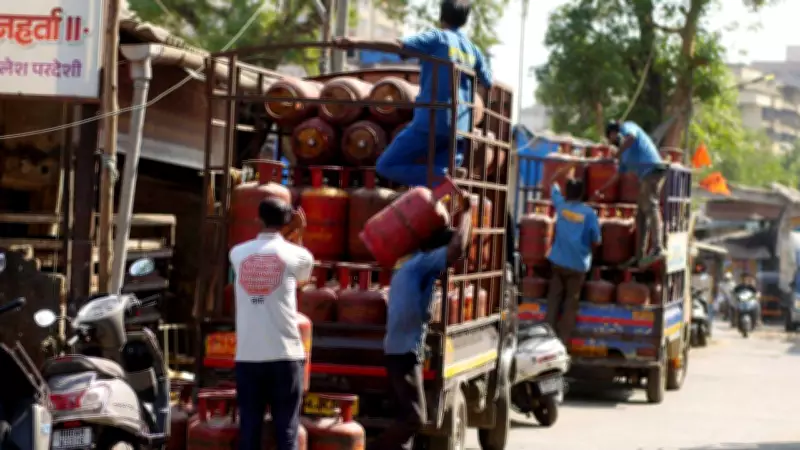
India's LPG Supply Crisis Intensifies Amid Global Energy Disruptions
India is grappling with a mounting LPG supply crisis as geopolitical tensions in West Asia severely disrupt global energy flows, raising alarms over sustained domestic fuel availability. While shipments continue to arrive, including significant consignments at New Mangalore Port, uncertainties around international transit routes, particularly the Strait of Hormuz, have heightened concerns. This situation underscores India's vulnerability to global energy shocks and the urgent need for diversified energy sources and resilient supply mechanisms.
Domestic Impact: Restaurants Struggle, Alternative Fuels Gain Traction
The domestic impact is already palpable across various sectors. In cities like Kolkata, restaurants and small businesses are facing acute fuel shortages and rising costs, forcing many to transition to alternative energy sources such as electricity. This shift has been particularly challenging during peak demand periods, including Eid, with establishments hastening their move to electric cooking methods as LPG stocks dwindle. Concurrently, demand for piped natural gas (PNG) has surged dramatically in urban centers like Pune and Pimpri Chinchwad, where daily connection installations have nearly doubled from an average of 180-190 to 400, reflecting a significant shift in consumption patterns amid the crisis.
Political Reactions and Economic Strain
The crisis has triggered strong political reactions, with criticism mounting over rising LPG prices and their detrimental effects on livelihoods. Kerala Chief Minister Pinarayi Vijayan has lambasted the Centre, alleging that government policies are pushing small businesses toward closure. Small-scale industries and food service operators are among the worst affected, as higher fuel costs and supply delays disrupt operations, exacerbating economic pressures.

Government Measures to Manage Limited Availability
In response, the Centre is considering several measures to manage the limited LPG availability. These include:
- Reducing cylinder sizes: Proposals to shift from standard 14.2 kg domestic cylinders to smaller 10 kg or 7 kg versions aim to stretch available supply across more households.
- Extending waiting periods: There are indications that waiting periods for cylinder refills could be extended from 25 to 30 days to regulate distribution.
While these steps are intended to ensure wider access and prevent shortages, they may increase inconvenience for consumers and add logistical pressures on distributors, who already face challenges like rising demand, booking failures, and e-KYC issues.
Logistical and Operational Challenges
Dealers and distributors express concerns over the proposed changes. An LPG dealer in south Kolkata noted, "We are already struggling with rising demand, booking failures, and e-KYC issues. Any change in supply quantity will create more complications. We may also face allegations of LPG theft." Handling more cylinders of smaller sizes could increase operational pressure, though some acknowledge it may be necessary to ensure greater access.
Global Context and Port Operations
Amid the crisis, New Mangalore Port has played a crucial role, housing India's largest underground LPG storage facility with a capacity of 80,000 tonnes. To facilitate smoother operations, the port has waived cargo-related charges for LPG and crude oil between March 14 and 31. However, reports of tankers altering routes, such as the Aqua Titan diverting from China to India, highlight the volatility of global energy supply chains and the persistent risks associated with tanker movement through key chokepoints like the Strait of Hormuz.
Broader Implications and Future Outlook
The LPG crisis not only impacts daily life and businesses but also influences political dynamics, as seen in election campaigns where candidates address fuel price hikes. As India navigates these challenges, balancing supply management with consumer needs and economic stability remains a critical priority. The situation emphasizes the importance of accelerating efforts toward energy diversification and strengthening domestic supply mechanisms to mitigate future disruptions.






