India's Global GDP Ranking Dips to Sixth Position, Experts Label It a Temporary Setback
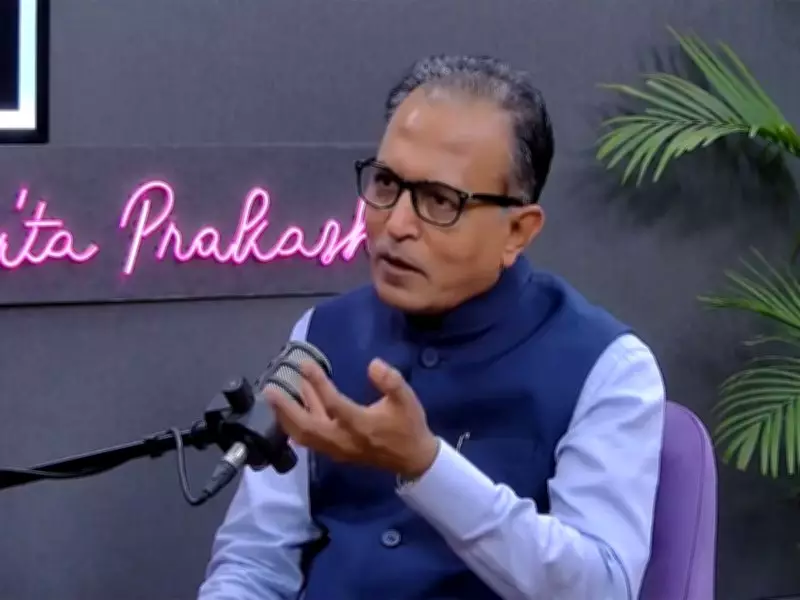
In a recent development that has captured the attention of economic analysts worldwide, India's Gross Domestic Product (GDP) has slipped from its previous standing to now occupy the sixth position in the global rankings. This shift, while notable, is being characterized by prominent financial experts as merely a temporary blip in the nation's otherwise robust economic trajectory. According to insights shared by Nilesh Shah, a respected figure in the investment community, the current gap of approximately $3 trillion that separates India from higher-ranked economies is not only manageable but also easily coverable with the right policy measures and sustained growth efforts.
Understanding the Context Behind the GDP Slip
The decline in India's GDP ranking can be attributed to a combination of global economic fluctuations and domestic challenges that have momentarily impacted growth rates. Factors such as inflationary pressures, supply chain disruptions, and geopolitical tensions have contributed to this temporary downturn. However, it is crucial to note that India's economic fundamentals remain strong, with a large and youthful population, a rapidly digitalizing economy, and significant untapped potential in sectors like manufacturing and services.
Nilesh Shah emphasized that this slip should not be viewed as a long-term trend but rather as a short-term adjustment in a dynamic global landscape. He pointed out that India has historically demonstrated resilience in bouncing back from economic setbacks, thanks to its diverse economy and proactive government initiatives aimed at fostering innovation and entrepreneurship.

The $3 Trillion Gap: A Surmountable Challenge
One of the key highlights from Shah's analysis is the focus on the $3 trillion gap that India needs to bridge to climb back up the global GDP ladder. This figure, while substantial, is seen as an achievable target through strategic reforms and targeted investments. Shah outlined several areas where India can focus its efforts to accelerate growth and close this gap effectively.
- Infrastructure Development: Enhancing physical and digital infrastructure to support industrial growth and connectivity.
- Skill Development: Investing in education and vocational training to build a competitive workforce.
- Export Promotion: Boosting exports through trade agreements and quality improvements to increase foreign exchange earnings.
- Technological Adoption: Leveraging artificial intelligence, cybersecurity, and other digital tools to drive efficiency and innovation across sectors.
By addressing these areas, Shah believes that India can not only recover its lost ground but also set the stage for sustained economic expansion in the coming years.
Broader Implications for India's Economic Future
The temporary nature of this GDP slip underscores the importance of maintaining a long-term perspective on economic planning. Experts suggest that India's growth story is far from over, with projections indicating potential for significant advancements if current reforms are implemented effectively. The government's focus on initiatives like Digital India, Make in India, and various public policy schemes is expected to play a crucial role in driving future growth.
Moreover, India's position in the global economy is influenced by broader trends such as climate change, international trade dynamics, and shifts in the global economy. By aligning its strategies with these trends, India can enhance its competitiveness and secure a higher ranking in the future.
In conclusion, while the slip in GDP ranking to sixth place is a moment for reflection, it is not a cause for alarm. With expert opinions like those of Nilesh Shah highlighting the coverable nature of the $3 trillion gap, India is well-positioned to turn this temporary blip into an opportunity for accelerated growth and development.