

India's Foreign Exchange Reserves Witness Significant Decline
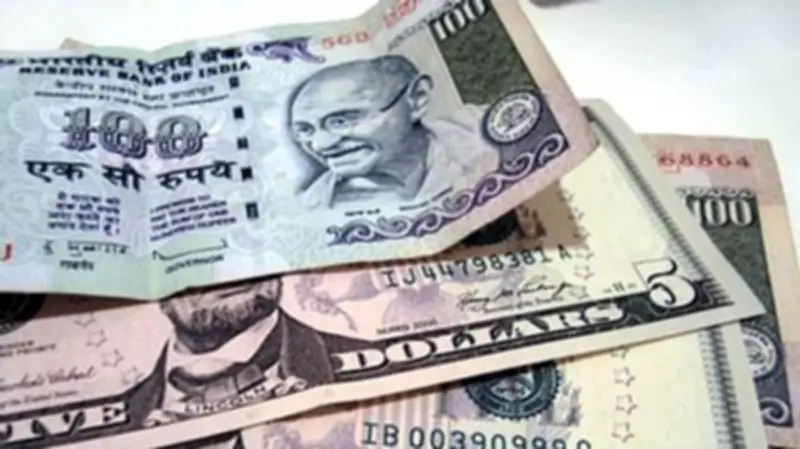
In a notable development for the Indian economy, the country's foreign exchange reserves have experienced a substantial drop of $7 billion, settling at $709.76 billion for the week that concluded on March 13, 2026. This decrease highlights a shift in the nation's financial standing, as reported by the central bank, the Reserve Bank of India (RBI).
Key Components of the Forex Reserves Fall
The data released by the RBI reveals that foreign currency assets, which constitute a major portion of the overall reserves, saw a significant reduction of $7.678 billion, bringing them down to $555.568 billion. This component includes holdings in foreign currencies such as the US dollar, euro, and other major global currencies, and its decline is a critical factor in the overall dip in reserves.
The central bank's report underscores the volatility in global financial markets, which can impact India's reserve levels. Factors such as fluctuations in exchange rates, changes in foreign investment flows, and interventions by the RBI to stabilize the rupee may have contributed to this decrease.

Implications for India's Economic Landscape
This reduction in forex reserves could have several implications for India's economy:
- It may affect the country's ability to manage external debt and import payments, potentially influencing trade balances.
- A lower reserve level might lead to increased scrutiny from international investors and rating agencies, impacting India's creditworthiness.
- The RBI might need to adjust its monetary policies to address any potential pressures on the currency and inflation rates.
Historically, India has maintained robust forex reserves to cushion against economic shocks, and this recent drop, while significant, is part of the natural ebb and flow in response to global economic conditions. Experts suggest that monitoring future trends will be crucial to assess the long-term stability of the reserves.
The data, updated as of March 20, 2026, at 13:48 IST, provides a timely snapshot of India's financial health. As the situation evolves, stakeholders in the business and economic sectors will be closely watching for further updates from the central bank to gauge the broader impact on the nation's economic strategies and growth prospects.






