

India Implements Emergency Kerosene Distribution Plan Amid Global Energy Crisis
In response to mounting pressure on global energy supplies triggered by the ongoing Middle East conflict, the Indian government has rolled out a temporary 60-day emergency measure to bolster cooking fuel availability across the nation. This strategic intervention aims to alleviate potential shortages and ensure households maintain access to essential energy sources during this period of international instability.
Key Components of the Emergency Plan
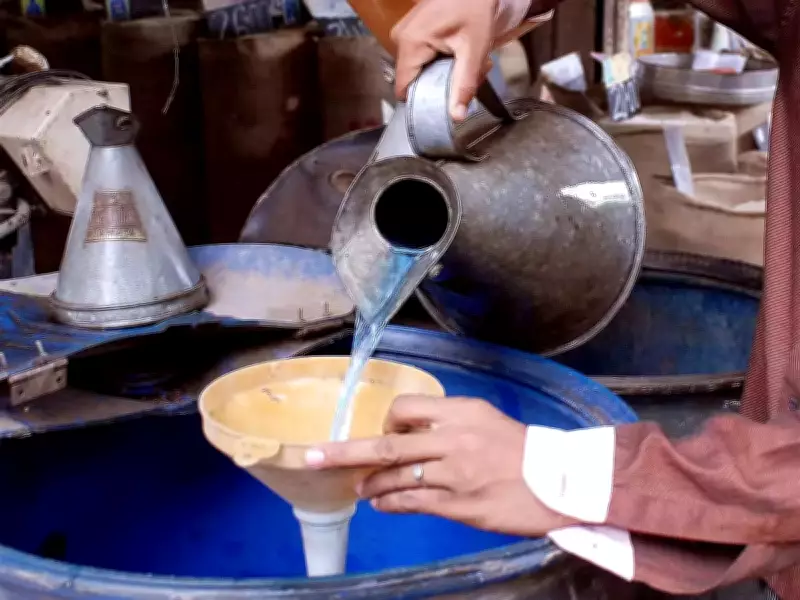
The Ministry of Petroleum and Natural Gas announced on Monday that states and Union Territories will receive supplementary kerosene allocations specifically designated for household cooking and lighting purposes. This initiative includes a notable short-term reintroduction of kerosene in 21 regions where it had previously been eliminated or classified as Public Distribution System (PDS) SKO-free zones.
To facilitate this rapid distribution, selected fuel stations in these kerosene-free areas have been authorized to store and dispense Superior Kerosene Oil for domestic consumption. According to official notifications, up to two fuel stations per district—preferably company-owned outlets operated by public sector oil corporations—will be permitted to stockpile a maximum of five thousand liters of kerosene each.

Streamlined Implementation and Enhanced Monitoring
The government has taken steps to expedite the process by relaxing certain licensing requirements for dealers and transporters, while simultaneously maintaining stringent safety and monitoring protocols. This balanced approach ensures efficient delivery without compromising on regulatory standards. The ministry has explicitly clarified that this provision is exclusively for kerosene intended for household cooking and lighting, not for any other uses.
This emergency measure follows the government's sanction of an additional 48,000 kiloliters of kerosene beyond regular allocations for all states and Union Territories. Local administrations have been directed to identify appropriate district-level distribution points to manage this influx effectively.
Regional Allocations and Consumer Shifts
Earlier allocations saw 17 states and Union Territories receiving SKO distribution orders, while regions like Himachal Pradesh and Ladakh indicated they do not require such provisions. Key areas benefiting from this plan include Delhi, Uttar Pradesh, Gujarat, and Rajasthan, where authorities are working to integrate kerosene back into the energy mix temporarily.
Concurrently, enforcement agencies have intensified efforts to combat irregularities within the energy supply chain. Nearly 2,900 raids have been conducted in recent days, resulting in the seizure of approximately 1,000 cylinders as part of a crackdown on hoarding and black marketing activities. States have been instructed to enhance monitoring, conduct daily briefings, counter misinformation campaigns, and accelerate approvals for gas-related infrastructure projects.
"The government reiterates its advice to the public not to believe rumors," emphasized an official statement, highlighting the importance of accurate information dissemination during this crisis.
Changing Consumer Patterns and Supply Management
Amid these developments, a noticeable shift in consumer behavior has emerged. As of Saturday, around 6,000 piped natural gas (PNG) users had voluntarily surrendered their LPG connections, reflecting a strategic adaptation to the evolving energy landscape. Petroleum Secretary Neeraj Mittal acknowledged this trend on social media, stating, "6000 PNG consumers surrendered their LPG till yesterday! A big thanks to them!!"
On the supply management front, the government has prioritized domestic and transport needs, ensuring full allocation for PNG and compressed natural gas (CNG) segments. Industrial and commercial users are currently receiving approximately 80% of their average consumption levels, while fertilizer plants are operating at 70–75% capacity. Additional liquefied natural gas (LNG) cargoes are being arranged as part of broader efforts to secure stable fuel and gas supplies, according to a government statement reported by PTI.

This comprehensive emergency plan underscores India's proactive approach to mitigating the ripple effects of global geopolitical tensions on its domestic energy security, ensuring that basic household needs remain met during these challenging times.





