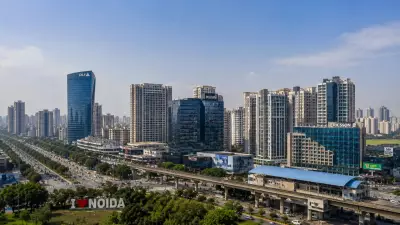
India's Economic Trajectory in the Global Arena
India's economic growth has captured significant attention on the world stage, with its trajectory presenting a complex mix of challenges and opportunities. As the nation navigates its path toward becoming a major global player, various factors come into play that shape its economic future. This analysis delves into the multifaceted aspects of India's development, offering insights into the hurdles it faces and the potential avenues for progress.
Key Challenges Impeding Growth
Despite impressive growth rates, India confronts several persistent challenges that could slow its economic momentum. Infrastructure deficits remain a critical issue, with inadequate transportation networks, power supply inconsistencies, and limited digital connectivity in rural areas hampering productivity and efficiency. Job creation is another pressing concern, as the economy struggles to generate sufficient employment opportunities for its vast and youthful population, leading to underutilization of human capital.
Additionally, regulatory complexities and bureaucratic hurdles often deter foreign investment and stifle domestic entrepreneurship. Environmental sustainability is also a growing challenge, with rapid industrialization and urbanization posing risks to natural resources and public health. Addressing these issues requires coordinated policy efforts and substantial investments to build a more resilient economic foundation.

Opportunities for Sustainable Development
On the flip side, India possesses numerous opportunities that could propel its economy forward. The technology sector stands out as a major growth driver, with innovations in digital services, fintech, and artificial intelligence creating new markets and enhancing efficiency across industries. Green energy initiatives offer another promising avenue, as India invests in renewable sources like solar and wind power to meet its climate commitments and reduce dependency on fossil fuels.
Moreover, India's demographic dividend—with a large, young workforce—provides a unique advantage if leveraged through skill development and education reforms. The expansion of manufacturing capabilities under initiatives like 'Make in India' aims to boost exports and create jobs, while improvements in healthcare and education infrastructure can enhance human capital and drive long-term growth.
Global Comparisons and Strategic Insights
When compared to other emerging economies, India's growth story is both distinctive and instructive. While countries like China have achieved rapid industrialization, India's approach emphasizes service-led growth and digital transformation. However, learning from global best practices in areas such as urban planning, environmental management, and innovation ecosystems could help India overcome its challenges more effectively.
Strategic partnerships with developed nations and multilateral organizations can also play a crucial role in facilitating technology transfer, funding infrastructure projects, and enhancing trade relations. By fostering a conducive environment for business and innovation, India can position itself as a key player in the global economy, contributing to regional stability and international cooperation.
Conclusion: Navigating the Path Ahead
In summary, India's economic journey is marked by a dynamic interplay of obstacles and prospects. To sustain growth and achieve its developmental goals, the country must prioritize investments in infrastructure, streamline regulatory frameworks, and capitalize on technological advancements. Embracing sustainable practices and fostering inclusive growth will be essential to ensuring that economic progress benefits all segments of society.
As India continues to evolve, its ability to adapt to global trends and address domestic challenges will determine its success on the world stage. With thoughtful policies and collaborative efforts, India can harness its potential to become a leading economy, setting an example for other developing nations in the process.