

India's Economic Transition: From Foundation Building to Execution Excellence
The narrative surrounding India's economic journey over the past decade has frequently been reduced to quarterly GDP figures and growth percentages. However, this perspective fails to capture the profound structural transformation that has occurred beneath the surface. While headline numbers matter, the true story lies in the fundamental strengthening of India's economic architecture through systematic infrastructure development, digital transformation, and enhanced fiscal capabilities.
The Plumbing Phase: Building Economic Foundations
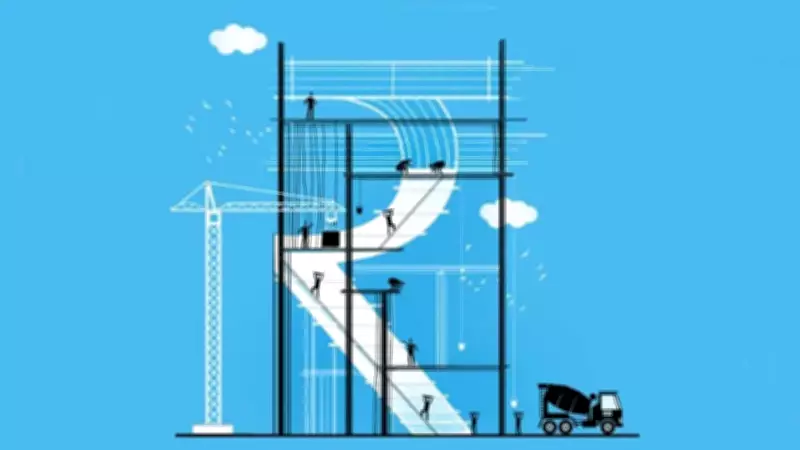
The previous ten years represented what economists might call the "plumbing phase" of India's economic development. During this period, significant investments were made in creating the essential systems and structures necessary for sustainable growth. This included the establishment of comprehensive digital frameworks, substantial improvements in physical infrastructure across transportation and utilities, and the strengthening of fiscal institutions to support long-term development goals.
Perhaps the most significant achievement during this foundational period has been the remarkable expansion of state capacity and the creation of accessible public goods. The economy has evolved from a fragile system to one firmly anchored in capital expenditure, digital connectivity, and institutional resilience. These developments have created a robust platform from which India can now launch its next phase of economic advancement.

The Formalization Revolution in Labor Markets
One of the most underappreciated transformations has occurred within India's labor market, where digitization initiatives and tax reforms have driven unprecedented formalization. Recent payroll data reveals approximately 2 million net additions per month, indicating that businesses are increasingly entering the formal economy. This shift is further supported by headline unemployment stabilizing around 5%, suggesting greater economic durability.
Equally encouraging is the rise in female labor force participation to nearly 40%, representing significant progress in gender inclusion within the workforce. However, challenges remain regarding job quality, with much of this participation still concentrated in low-paying or unpaid work. The focus must now shift toward enhancing productivity through skill certification programs and expanded apprenticeship opportunities that create meaningful career pathways.
Manufacturing Success and Limitations
Few policy areas demonstrate India's economic progress more clearly than electronics manufacturing. In just one decade, the country has transformed from importing most mobile phones to producing nearly all domestically. Electronics exports have surged nearly elevenfold over 11 years, supported by record public capital expenditure in recent fiscal periods.
Despite this remarkable achievement, manufacturing's share of GDP remains below 16%, indicating that electronics alone cannot drive employment generation at the necessary scale. Labor-intensive sectors such as textiles and toys have yet to experience similar breakthroughs. Persistent challenges include logistics costs exceeding global benchmarks and inconsistent execution across different states. Addressing these issues requires aligning state incentives, simplifying compliance for MSMEs, and accelerating improvements in freight and port efficiency.
Regulatory Environment and Business Experience
Improvements in ease of doing business have been crucial enablers of India's recent investment cycle. The pruning of outdated laws, implementation of digital clearance systems, and introduction of faceless compliance mechanisms have significantly reduced bureaucratic friction. The expansion of GST coverage to approximately 1.4 crore businesses demonstrates how administrative simplification has broadened the formal economic base.

Nevertheless, for many small and mid-sized enterprises, the regulatory experience remains inconsistent. Challenges persist including regulatory overlap between central and state authorities, frequent rule changes, and legacy constraints related to labor and land acquisition. The next phase of reform must ensure that businesses' actual experiences align more closely with policy intentions, emphasizing predictability over novelty through effective implementation and careful monitoring.
Poverty Reduction and Consumption Patterns
India's poverty reduction story over the past decade represents nothing short of a transformation, with more than 248 million people exiting multidimensional poverty. This achievement reflects substantial progress in addressing basic needs and improving living standards across significant population segments.
However, consumption patterns reveal an uneven recovery, with premium consumption surging while mass-market demand has recovered more gradually. This divergence is often interpreted as rising inequality but might be better understood as a sequencing issue in development. The next phase must focus on creating income mobility rather than merely providing income support. Welfare systems should increasingly function as launchpads, connecting beneficiaries to skilling opportunities, micro-credit facilities, local manufacturing clusters, and urban employment corridors.
The Execution Imperative for the Next Decade
As India looks toward its next economic chapter, the focus must shift decisively from building foundations to ensuring consistent execution. The previous decade was about fixing the plumbing; the coming decade should be defined by how effectively these systems are utilized at every level of governance.
The critical test ahead involves whether private enterprises, local governments, and institutions can fully exploit the infrastructure and systems created during the foundational phase. Success will depend particularly on execution excellence at state and municipal levels, where policy implementation directly impacts citizens and businesses. If these stakeholders can effectively leverage India's strengthened economic foundations, growth will accelerate, broaden across sectors and regions, and become more inclusive in its benefits distribution.
The transition from economic plumbing to consistent execution represents India's next great economic challenge and opportunity. By focusing on implementation quality, regulatory predictability, and inclusive development strategies, India can transform its substantial foundational investments into sustained productivity gains and broader prosperity for all citizens.





