

India's Fiscal Strategy at Critical Juncture as Budget Approaches
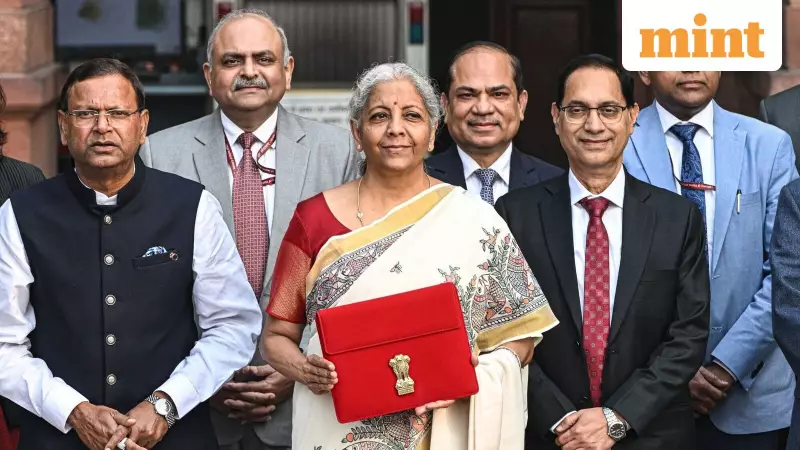
The upcoming Union budget presentation by Finance Minister Nirmala Sitharaman arrives at a pivotal moment for India's economic policy framework. The government's debt-control strategy, announced last year with the ambitious goal of reducing central government debt from 57% to around 50% of GDP by 2030-31, now faces its first major test amid uncertain nominal growth and multiplying spending demands.
The Changing Fiscal Landscape
Since the previous budget presentation in February 2025, the global economic environment has undergone significant transformation. The international institutional framework that once provided stability for economic activity worldwide now faces unprecedented challenges. This shifting context means that Sunday's budget must be analyzed not merely for its numerical targets but for the strategic frameworks it establishes to navigate India through increasingly turbulent global waters.
Indian fiscal policy has earned considerable credibility over the past five years through two key achievements. First, the government has eliminated the previous practice of manipulating budget statements through unrealistic revenue assumptions or off-budget borrowing mechanisms. Second, authorities have consistently adhered to the fiscal consolidation path established after the pandemic, demonstrating remarkable discipline in deficit management.

Revenue Challenges and Fiscal Constraints
The current fiscal year has presented unexpected obstacles, primarily through significantly lower-than-anticipated tax collections. Revenue shortfalls stem from two interconnected factors: a sharp deceleration in nominal GDP growth and reductions in goods and services tax rates during the latter half of the year. This dual pressure has resulted in both a slower-growing tax base and reduced tax rates, creating substantial revenue challenges.
While larger-than-budgeted dividends from the Reserve Bank of India provide some financial cushion, spending adjustments will likely be necessary to maintain fiscal deficit targets. The fiscal impulse—measuring whether government policy adds or subtracts demand from the economy—is expected to remain mildly negative, reflecting continued consolidation efforts.
The New Fiscal Paradigm
Budget analysis must now evolve beyond the traditional focus on annual fiscal deficit targets. The government's new strategy positions the fiscal deficit as an operational tool rather than an ultimate goal, with the primary objective being sustainable reduction in the public debt-to-GDP ratio. This sophisticated approach recognizes that achieving debt reduction depends on three critical variables:
- The primary balance in government budgets
- Interest rates on government borrowing
- Nominal GDP growth rates
While the government controls the first variable and the Reserve Bank influences the second, nominal GDP growth remains the most crucial—and least controllable—factor. The success of India's debt-reduction strategy hinges on nominal growth returning to double-digit levels, requiring either faster real output expansion, higher inflation, or some combination of both.
Competing Priorities in a Constrained Environment
The government faces the complex challenge of balancing multiple competing demands within limited fiscal space. New strategic priorities include enhanced defense spending, capacity building for critical intermediate goods like semiconductors, and establishing technological leadership in artificial intelligence and green energy sectors. Simultaneously, traditional concerns persist, including job creation, scaling small enterprises, urban infrastructure investment, and reviving private sector investment cycles.
The Narendra Modi government demonstrated during the post-pandemic period that infrastructure spending could increase even while reducing fiscal deficits. The current challenge represents an advanced version of this balancing act, requiring careful examination of expenditure composition and prioritization.

External Factors Shaping Future Budgets
Two significant external developments will influence government finances over the coming years. The forthcoming report of the 16th Finance Commission will determine the distribution of tax revenues between the central government and states, potentially reshaping fiscal federalism. Additionally, the 8th Pay Commission's recommendations in 2027 regarding government salaries will cast a long shadow over future budgets, representing substantial potential expenditure commitments.
As India navigates these complex challenges, the government's commitment to fiscal discipline remains firm. However, with limited fiscal flexibility available to respond to potential global economic shocks, strategic budget management becomes increasingly critical for maintaining economic stability while pursuing long-term debt reduction objectives.





