

India's Empowered Group Takes Action on West Asia Conflict Fallout
In response to the escalating tensions in West Asia, an empowered group of officials in New Delhi has swiftly initiated measures to safeguard India's economic interests. On Wednesday, the group began a comprehensive assessment of the demand and supply situation across critical sectors, aiming to preempt any disruptions to supply chains caused by the conflict.
Priority on Food and Fuel Security
The group has identified food and fuel availability as top priorities, with detailed reports being sought from various states to gauge local needs. Led by petroleum secretary Neeraj Mittal, the panel is meticulously analyzing industry consumption trends and comparing them with current availability levels. This proactive approach is designed to ensure that essential commodities remain accessible without imposing undue burdens on consumers or industries.
Targeted Measures for Key Industries
Specific products facing potential disruptions are being identified, with sources and alternative measures under study. The group is considering options such as duty cuts to maintain industrial operations and prevent significant price hikes. Industries like chemicals, pharmaceuticals, and petrochemicals have been highlighted as areas requiring immediate attention to augment supplies and mitigate risks.

Addressing Gas Supply Challenges
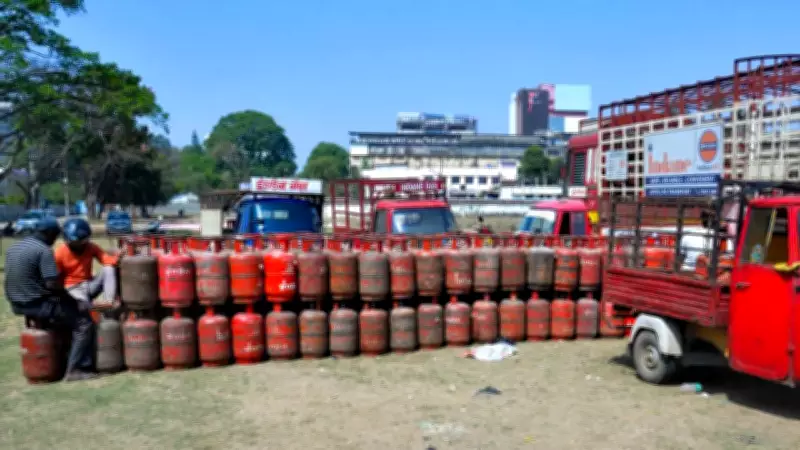
Gas supply has emerged as a major concern for businesses, prompting focused efforts from the government. Petroleum minister Hardeep Puri addressed this issue at an all-party meeting, reassuring stakeholders that restrictions on commercial cooking gas cylinders are temporary. The government is actively exploring alternate markets, including Surinam, Guyana, Canada, and the United States, to secure liquefied natural gas (LNG) supplies.
Navigating Import Dependencies
India's reliance on imports for 60% of its LPG demand, with 90% sourced from West Asia, presents significant challenges. While efforts are underway to diversify suppliers, logistical delays are inevitable. For instance, shipments from the Gulf region take approximately 11 days, while those from Russia require 36-37 days, and from the US and Canada, 40-45 days. The government is working to normalize supplies by aligning oil company production with new procurement cycles.
Expanding Supply Sources
In the short term, the focus is on tapping as many sources as possible to bolster reserves. Over recent years, India has increased purchases from Russia, which now accounts for nearly 20% of crude imports, up from 1.5% four years ago. With sanctions lifted on entities like Rosneft and Lukoil, Russian oil share is expected to rise further, complemented by potential supplies from Iran, enhancing overall energy security.
This strategic response underscores India's commitment to maintaining economic stability amid global uncertainties, ensuring that supply chains remain resilient and industries continue to thrive without disruption.






