India Defers Power Plant Maintenance to Tackle Summer Surge and Induction Cooking Demand
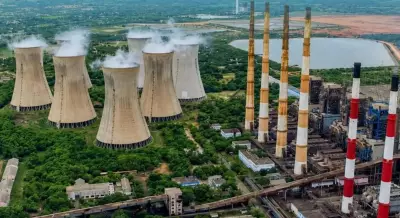
NEW DELHI: In a strategic move to bolster the nation's electricity grid, the Indian government announced on Friday that several coal-based power plants, with a combined capacity of 10 gigawatts (GW), have postponed their scheduled maintenance by three months. This decision aims to address the country's escalating power demand, compounded by an expected additional load of up to 27 GW at the distribution level. This surge is attributed to a widespread shift towards induction-based cooking, driven by a squeeze on LPG supplies resulting from the ongoing military conflict in West Asia.
Operational Adjustments to Compensate for Supply Shortages
Piyush Singh, additional secretary at the Ministry of Power, detailed that out of an originally planned 15 GW capacity slated for maintenance, 10 GW will remain operational. This measure is designed to compensate for nearly 8 GW of gas-based plants currently idle due to supply shortages and to manage the anticipated summer surge in consumption. Power plants typically undergo planned shutdowns for essential maintenance and repairs to address machinery wear and tear. Notably, this deferral follows similar actions by state-owned oil companies, which have also postponed annual refinery shutdowns in response to the current geopolitical tensions and their impact on global energy supplies.
Expediting Capacity Addition and Managing Induction Cooking Demand
Singh further revealed that the power ministry is accelerating the addition of 22 GW of power generation capacity over the next three months. This expansion includes a diverse mix of thermal, solar, wind, hydro, and battery and pumped hydro storage systems, enhancing the grid's resilience and sustainability.

Krushna Chandra Panigrahy, director general of the Bureau of Energy Efficiency (BEE), highlighted the growing trend of induction cooking as households seek alternatives amid LPG cylinder shortages. He warned that this shift is likely to create an "additional layer of demand" during morning and evening peak hours. However, Panigrahy cautioned that precise demand estimation remains challenging due to regional variations in climate, socio-economic conditions, and cooking habits.
"The additional demand attributable to induction cooking is broadly estimated to lie in the range of 13 GW to 27 GW under low and high adoption scenarios, respectively," Panigrahy stated, noting that a significant impact on overall demand has yet to materialize fully.
Robust Grid Preparedness for Peak Demand
With India's peak power demand projected to reach 271 GW this summer, Singh expressed confidence in the system's capability. "Despite global uncertainties, the system is robust, well-diversified, and adequately positioned to meet both short-term and long-term demand requirements," he asserted. He emphasized that India's current installed capacity exceeds 531 GW, featuring a well-diversified portfolio with substantial contributions from coal, renewables, hydro, and nuclear sources. Notably, non-fossil sources now account for over 50% of the total capacity.
To ensure reliability during peak periods, the government has implemented short-term measures, including maintaining adequate coal stocks at thermal power plants and fully operationalizing imported coal-based plants. These steps are part of a broader strategy to safeguard energy security amid fluctuating global dynamics and domestic consumption patterns.