

In response to global energy supply disruptions triggered by the ongoing conflict in the Middle East, India has significantly increased the availability of smaller 5-kg LPG cylinders and accelerated the rollout of piped natural gas (PNG) connections. According to an official statement, domestic fuel supplies remain stable despite the challenges, with strategic measures ensuring continued access for households and businesses.
Surge in 5-kg LPG Cylinder Sales
Since March 23, more than 13 lakh (1.3 million) 5-kg free trade LPG cylinders have been sold, with daily sales now exceeding 1 lakh units. This marks a substantial increase from the approximately 77,000 cylinders sold daily in February before the crisis escalated. The government has prioritized expanding access for migrant workers and low-income consumers who may not have subsidized LPG connections, bridging the gap with market-priced options.
PNG Connections on the Rise
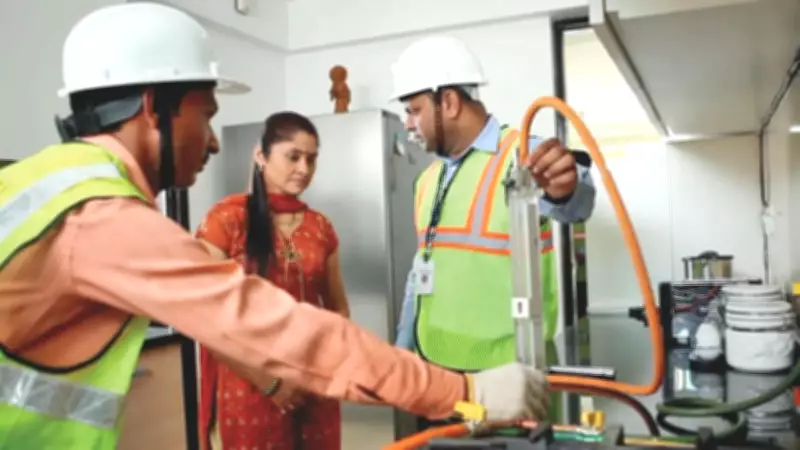
Simultaneously, over 4.24 lakh new PNG connections have been activated since March, as part of a broader transition away from LPG. More than 30,000 consumers have surrendered their LPG connections in favor of PNG, reflecting a shift towards more efficient and potentially cost-effective fuel sources. City gas distributors, including Indraprastha Gas Ltd, Mahanagar Gas Ltd, and GAIL Gas Ltd, have been directed to prioritize PNG connections for commercial users to further reduce reliance on LPG.

Impact of Middle East Conflict on Energy Imports
The six-week-long war in West Asia has severely disrupted global energy supply chains. India, which imports half of its crude oil, 40% of its natural gas, and 85-90% of its LPG from the region, has faced significant impacts. While the country has managed to offset crude oil shortfalls by sourcing from other regions, LPG supplies have been particularly affected, necessitating the current measures.
Government Measures to Ensure Stability
The government has implemented a multi-pronged approach to maintain fuel availability. Domestic LPG supply to households has been prioritized, with reductions to commercial users like hotels and restaurants. Commercial LPG availability has since been restored to about 70% of pre-crisis levels through targeted allocations and increased supply efforts.
State-run oil marketing companies—Indian Oil Corporation, Bharat Petroleum Corporation Limited, and Hindustan Petroleum Corporation Limited—are coordinating with state governments to streamline distribution. Additionally, domestic LPG production has been stepped up, and refineries are operating at high utilization with adequate crude inventories.
Natural Gas Allocation and Consumer Protection
Natural gas allocation has been prioritized to ensure full supply for household PNG and compressed natural gas (CNG) transport. Supplies to fertilizer plants have been increased to about 95% of recent average consumption, supported by additional liquefied natural gas (LNG) imports.
To shield consumers from rising global oil prices, the government has cut excise duty on petrol and diesel by Rs 10 per liter. Export levies on diesel and aviation turbine fuel have been raised to ensure domestic availability, providing further economic relief.
Delivery and Authentication Systems
Domestic LPG supplies remain stable overall, with no reported stockouts. On April 11 alone, over 52 lakh cylinders were delivered. Online bookings account for about 98% of demand, and delivery authentication systems now cover 93% of transactions to curb diversion and ensure efficient distribution.






