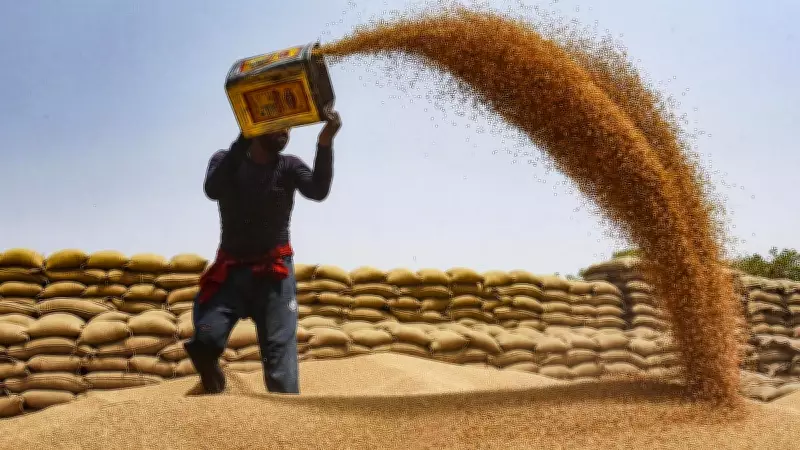
India has authorized the export of an additional 2.5 lakh tonnes of wheat, a move that is expected to bolster global food supplies and help manage the country's ample grain reserves. The decision comes amid ongoing concerns over food security worldwide, particularly in regions affected by supply disruptions.
Details of the Export Approval
The Indian government's latest approval allows for the shipment of 250,000 metric tonnes of wheat, adding to the previously permitted exports. This step is part of New Delhi's strategy to support friendly nations and stabilize international wheat prices. The export will be facilitated through government-to-government agreements and private trade channels, ensuring that domestic requirements are not compromised.
Impact on Global Markets
Analysts believe that this additional supply from India, one of the world's largest wheat producers, could ease pressure on global wheat prices, which have been volatile due to geopolitical tensions and adverse weather conditions in key growing regions. Countries in Asia, Africa, and the Middle East, which rely heavily on wheat imports, are expected to benefit from this development.

Domestic Considerations
India's wheat production has been robust, with the government holding substantial buffer stocks. The export clearance is designed to prevent wastage and provide farmers with better price realization. However, authorities remain vigilant to ensure that domestic consumption needs are met, particularly in light of the ongoing subsidy programs for vulnerable populations.
The move also aligns with India's ambition to emerge as a reliable agricultural exporter on the global stage, leveraging its production capacity to address food shortages worldwide. This decision is likely to be welcomed by importing nations seeking alternative sources amid supply chain uncertainties.