

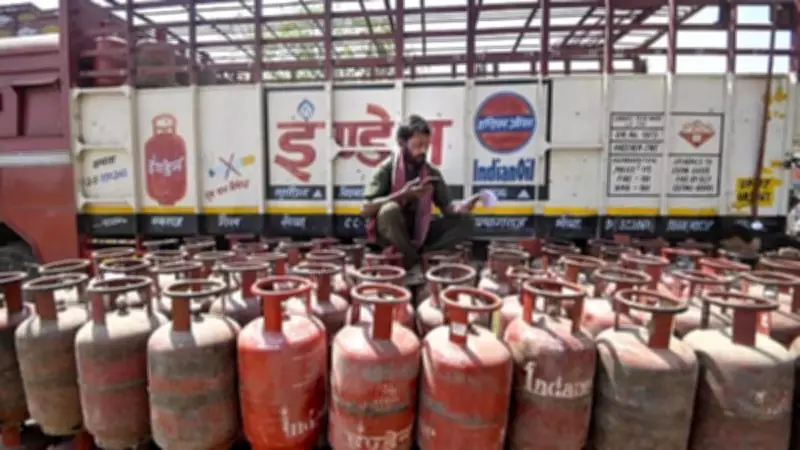
Government Boosts Commercial LPG Supply to 70% of Pre-War Levels
In a significant move to support the hospitality and food service sectors, the Indian government has announced an increase in the supply of commercial liquefied petroleum gas (LPG). The supply has been raised to 70% of the demand levels observed before the Russia-Ukraine conflict, marking a notable easing of restrictions that were imposed due to global energy market disruptions.
Easing Restrictions for Businesses
This decision comes as a relief for hotels, restaurants, and other commercial establishments that rely heavily on LPG for cooking and other operations. The government had previously capped supplies at lower levels to manage shortages and price volatility stemming from the war, which impacted global oil and gas flows. By restoring supply to 70% of pre-war demand, authorities aim to stabilize operations and reduce operational hurdles for these businesses.
The adjustment reflects ongoing efforts to balance domestic energy needs with international supply constraints. It is part of a broader strategy to mitigate the economic impact of geopolitical tensions on India's commercial sectors, ensuring that essential services can continue without major interruptions.

Impact on the Hospitality Industry
The hospitality industry, which faced challenges due to limited LPG availability, is expected to benefit significantly from this increase. With higher supply levels, businesses can plan their operations more reliably, potentially leading to improved service delivery and customer satisfaction. This move also underscores the government's responsiveness to sector-specific needs during times of crisis.
Analysts note that while this is a positive step, the supply still falls short of full pre-war demand, indicating that some challenges may persist. However, the increase to 70% is seen as a pragmatic approach to gradually normalize supply chains without overwhelming the system.
Global Context and Future Outlook
The Russia-Ukraine war has caused widespread disruptions in energy markets, leading to supply shortages and price spikes for LPG and other fuels worldwide. India, as a major importer of energy resources, has had to navigate these challenges carefully. The government's decision to raise commercial LPG supply aligns with global trends where countries are adjusting policies to cope with ongoing uncertainties.
Looking ahead, authorities may continue to monitor the situation and make further adjustments based on international developments and domestic demand. This proactive stance aims to ensure energy security and support economic growth, particularly in sectors critical to India's service economy.






