Goa Faces Steep Beef Price Hike as Export Demand Strains Local Supply
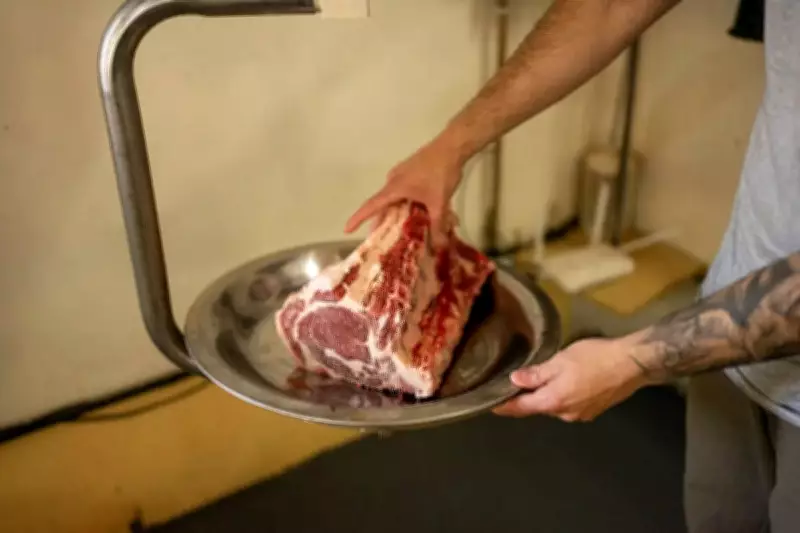
Residents and traders in Goa are grappling with a significant surge in beef prices, creating economic strain and raising alarms ahead of the upcoming Ramadan season. The cost of boned beef has escalated to Rs 400 per kilogram, while boneless beef now commands Rs 500 per kilogram. This marks a sharp increase from just last month, when prices stood at Rs 350 and Rs 400 per kilogram respectively.
Export Boom Creates Local Shortage Crisis
Local meat traders attribute this dramatic price inflation to large-scale exports of Indian beef to international markets. The aggressive purchasing by exporters has made it exceedingly difficult for domestic businesses to source animals at competitive rates. "Exporters are acquiring animals at premium prices for overseas markets, leaving us unable to match their financial capacity," explained Anwar Bepari, General Secretary of the Quraishi Meat Traders Association.
Bepari further detailed the supply chain disruption: "Before livestock even reaches the open market, exporters are buying them directly through private deals. This practice has severely depleted availability, leaving minimal animals for local traders to purchase and sustain their businesses."

Goa Meat Complex Data Highlights Export Surge
Official figures from the state government's Goa Meat Complex in Usgao underscore the export-driven activity. During the current fiscal year 2025-26, from April to December 2025, the facility has slaughtered 11,372 animals. This represents a substantial increase compared to the 7,722 animals processed in the entire previous fiscal year 2024-25.
The Usgao complex operates on a demand-based system, supplying buffalo meat according to daily orders from local traders. Goa's daily beef requirement fluctuates between 20 to 25 tonnes, depending on seasonal variations. "Despite having the capacity to slaughter 200 animals daily at our abattoir, we are not receiving sufficient orders from local traders," stated Rajesh Kenny, Managing Director of the Goa Meat Complex. "We adhere strictly to our operational process and cannot slaughter animals without confirmed purchase orders."
Ramadan Approaching Amid Supply Concerns
The timing of this supply crunch is particularly worrisome as the Muslim holy month of Ramadan approaches, a period traditionally associated with heightened meat consumption. Traders fear that shortages could intensify significantly during this festive season, exacerbating the existing price pressures.
A beef vendor from Panaji's market appealed for government intervention: "Authorities should step in to resolve this critical issue. Our livelihoods depend predominantly on the meat trade, and the current situation threatens our economic survival."
Consumers Bear the Brunt of Inflation
Ordinary Goans are feeling the direct impact of these market dynamics. While some consumers may have temporary respite due to Lent observances, the long-term affordability of beef—traditionally considered a more economical protein source compared to mutton and fish—is now in jeopardy.
"Although rising beef prices may not immediately affect those observing Lent, continued inflation will make it increasingly difficult for many households," noted Peter Fernandes, a resident of Chimbel. "Beef has always been the more accessible meat option for budget-conscious families. This price surge threatens that economic accessibility."
The confluence of robust export demand, constrained local supply, and impending seasonal consumption peaks has created a perfect storm in Goa's meat market, with stakeholders across the supply chain calling for strategic solutions to stabilize prices and ensure availability.