

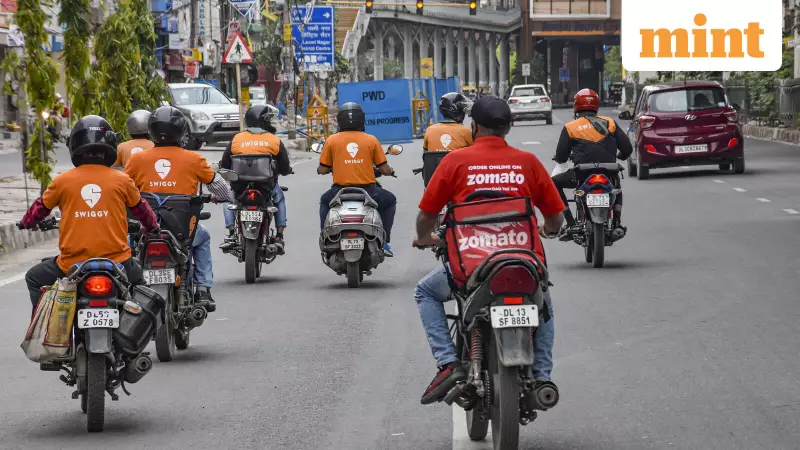
Recent strikes by delivery agents for major food delivery and quick-commerce platforms have thrown a spotlight on the intense debate surrounding wages, work conditions, and the future of India's gig economy. Workers from companies like Zomato, Swiggy, Zepto, and Blinkit halted work, demanding better pay and improved working conditions. This action has reignited a complex discussion that often pits concerns over worker exploitation against the entrepreneurial spirit of the platforms.
The Core of the Debate: Fair Wages vs. Platform Viability
The online discourse following the strikes has been polarized, with some framing demands for better compensation as a threat to the free-market model. However, this perspective misses a fundamental economic point. The primary beneficiaries of the current low-cost structure are consumers who enjoy ultra-cheap, rapid doorstep deliveries. While the platforms themselves deserve credit for creating vast employment opportunities for millions who might otherwise be jobless, this does not invalidate the genuine grievances of their workforce.
Concerns about subsistence earnings, lack of social security, and occupational safety are serious and merit attention. Crucially, the argument that better pay would destroy the gig model is flawed. What platforms pay their delivery partners is essentially a pass-through cost. If all companies uniformly increased pay by, for example, 5%, the cost would largely be passed on to consumers, not absorbed from platform margins. This requires industry-wide adherence to prevent undercutting.

Labour Codes: A Potential Framework for Resolution
The recently notified Labour Codes by the Centre could provide a structured solution to this contentious debate. If implemented uniformly, especially in urban areas with higher living costs, these codes can establish clear wage floors and work condition standards. This approach can address worker expectations without compromising the business viability of the platforms that employ them.
It is important to distinguish between reasonable demands and those that alter the fundamental nature of gig work. The call to classify gig workers as traditional employees is often seen as unjustified, as it overlooks the flexibility and freedom that define this new form of employment—a value many workers cherish even with lower pay. Regulation should instead focus on ensuring realistic delivery timelines, mandatory insurance coverage, and social security benefits funded through platform fees.
Broader Economic Impact of Fair Compensation
Moving beyond the immediate debate, there is a compelling macroeconomic argument for better wages. The term 'exploitation' is often misused. In a functional economy, private enterprises must earn a return on capital and entrepreneurs deserve rewards for their risk and innovation. The real question is whether wages are fair.
Market competition for workers can drive wages up, but if this mechanism fails—as in a monopsony or cartel-like situation—regulatory intervention becomes necessary. Importantly, better-paid workers are often more productive, which benefits employers. On an aggregate level, higher wages boost consumption capacity, stimulating demand across the economy. Conversely, subsistence-level earnings depress overall demand, investment, and long-term growth prospects.
In conclusion, India's delivery gig model is not broken, but it requires thoughtful calibration. A combination of effective implementation of the Labour Codes and collective bargaining by riders can reset the sector. This balanced approach can ensure fair compensation for workers, sustained profitability for platforms, and a healthier, more consumption-driven economy for the nation.






