

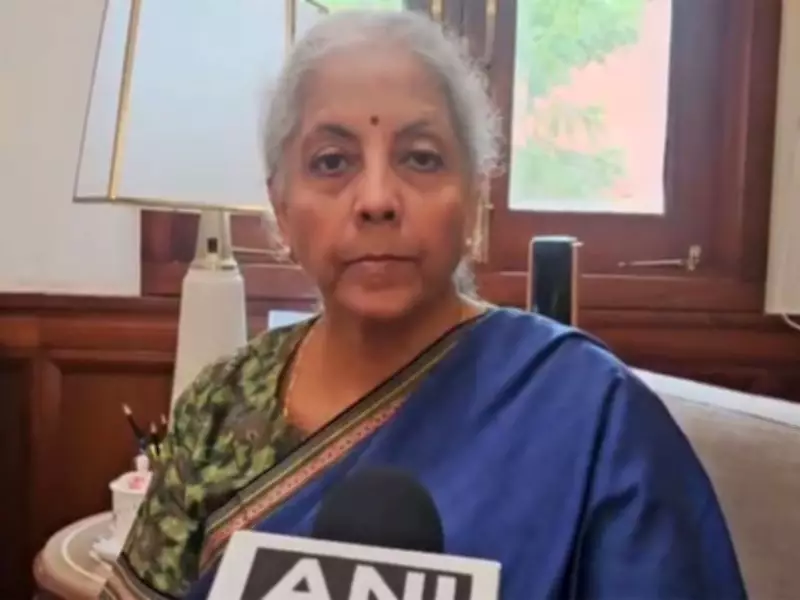
Government Rejects Lockdown Speculation Amid Global Fuel Crisis
Union Finance Minister Nirmala Sitharaman has firmly dismissed baseless reports suggesting that the Indian government is considering imposing a lockdown in response to fuel shortages triggered by the ongoing West Asia conflict. In a clear and unequivocal statement, she reassured the public that no such measures are under consideration, emphasizing the government's commitment to maintaining normalcy and stability.
Strong Denial from Top Ministers
Sitharaman expressed surprise and concern over what she termed "irresponsible" remarks from some political leaders who have been spreading rumors about an impending lockdown. "I want to reassure people that there shall not be any lockdown," she declared, adding that such claims are completely unfounded and worrisome. She specifically referenced the COVID-19 pandemic lockdowns, stating that there will be no repeat of those scenarios.
Echoing her stance, Union Minister for Petroleum and Natural Gas Hardeep Singh Puri also condemned the lockdown rumors, labeling them as "irresponsible and harmful." In a post on social media platform X, Puri clarified that "rumours of a lockdown in India are completely false" and stressed the importance of remaining calm and united during such times. He confirmed that no proposal for a lockdown is being reviewed by the Government of India.

Excise Duty Cuts to Shield Consumers
Amid the global energy crisis exacerbated by the West Asia conflict, the government has taken proactive steps to insulate Indian consumers from rising crude oil prices. Sitharaman announced significant excise duty reductions on petrol and diesel, aimed at preventing price hikes at the pump. The excise duty on petrol has been slashed to Rs 3 per litre, while diesel now carries zero excise duty. Additionally, a windfall tax of 21.5 rupees per litre has been imposed on diesel exports to manage domestic supply.
The Finance Minister explained that these measures are designed to support Oil Marketing Companies (OMCs), which are facing increased costs due to soaring international crude oil prices. By providing financial assistance to OMCs, the government aims to ensure uninterrupted fuel supplies and prevent any shortages. "Prices are increasing abroad, because of which oil marketing companies might stop buying—such a situation should not occur," she noted, highlighting the goal of maintaining availability for the public.
Swift Government Action
Sitharaman detailed the rapid response from the government, which included an emergency meeting called by Prime Minister Narendra Modi on the occasion of Ram Navami. Following discussions, the Finance Ministry and Petroleum Ministry collaborated overnight to implement the excise duty cuts, with the announcement made promptly the next day. This swift action underscores the administration's focus on mitigating the impact of global crises on Indian citizens.
The West Asia conflict, involving tensions such as the US-Israel war on Iran and Tehran's blockade of the Strait of Hormuz, has disrupted global oil supplies. India, which previously sourced 12 to 15 percent of its oil through this route, is now navigating these challenges with strategic policy interventions to safeguard its economy and public welfare.
In summary, the Indian government has categorically ruled out any lockdown while introducing fiscal measures to address fuel price volatility and ensure stable supplies, reflecting a balanced approach to crisis management.






