

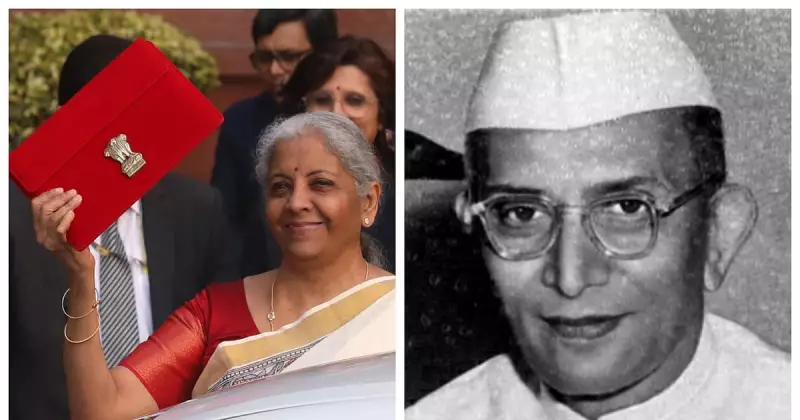
The Union Budget stands as one of India's most crucial economic documents, meticulously outlining the nation's financial planning and policy directions for the upcoming fiscal year. This annual presentation not only reflects the government's economic priorities but also shapes the country's growth trajectory. As we approach Union Budget 2026, it is fascinating to look back at the finance ministers who have left an indelible mark on this process through their repeated presentations.
Historical Legacy of Budget Presentations
Presenting the Union Budget requires deep economic understanding, political acumen, and the ability to communicate complex financial matters to the public. Over the decades, several finance ministers have taken on this responsibility multiple times, becoming synonymous with India's budgetary process. Their contributions have ranged from introducing groundbreaking reforms to navigating economic crises, making their tenures particularly noteworthy in the annals of Indian finance.
Morarji Desai: The Record Holder
Morarji Desai holds the distinguished record for presenting the most Union Budgets in Indian history. Serving as Finance Minister from 1959 to 1964 under Prime Ministers Jawaharlal Nehru and Lal Bahadur Shastri, Desai presented ten consecutive budgets. His tenure was marked by a focus on agricultural development and fiscal discipline, setting important precedents for future budget presentations.

Pranab Mukherjee: The Veteran Statesman
Pranab Mukherjee, who later became India's President, presented seven Union Budgets during his various stints as Finance Minister. His budgets were known for their comprehensive approach, addressing both macroeconomic stability and social welfare programs. Mukherjee's experience in parliamentary affairs made his budget speeches particularly detailed and politically astute.
P Chidambaram: The Reform-Minded Economist
P Chidambaram presented eight Union Budgets across different governments, earning recognition for his pro-reform and growth-oriented approach. His budgets often emphasized liberalization, tax reforms, and measures to boost foreign investment. Chidambaram's presentations were characterized by clear economic vision and articulate communication of complex policies.
Yashwant Sinha: The Crisis Manager
Yashwant Sinha presented five Union Budgets during challenging economic periods, including in the aftermath of economic sanctions following nuclear tests. His budgets focused on stabilizing the economy, promoting exports, and implementing structural reforms that laid groundwork for future growth.
Nirmala Sitharaman: Breaking Barriers
Nirmala Sitharaman has made history as India's first full-time woman Finance Minister. As she prepares for Union Budget 2026, she has already presented multiple budgets, bringing a distinct approach that combines traditional budget elements with digital innovations. Her presentations have emphasized infrastructure development, welfare schemes, and measures to boost manufacturing through initiatives like Production Linked Incentive (PLI) schemes.
The Evolving Nature of Budget Presentations
The format and substance of Union Budget presentations have evolved significantly over the decades. From lengthy speeches filled with detailed tax proposals to more focused documents accompanied by simplified explanations, the presentation style has adapted to changing times. The introduction of paperless budgets and digital dissemination represents the latest evolution in this process.
Each finance minister has brought their unique perspective to the budget-making process, reflecting the economic priorities and challenges of their time. As India prepares for Union Budget 2026, understanding this historical context provides valuable insight into how budgetary policies have shaped the nation's development journey and what we might expect from future presentations.






