

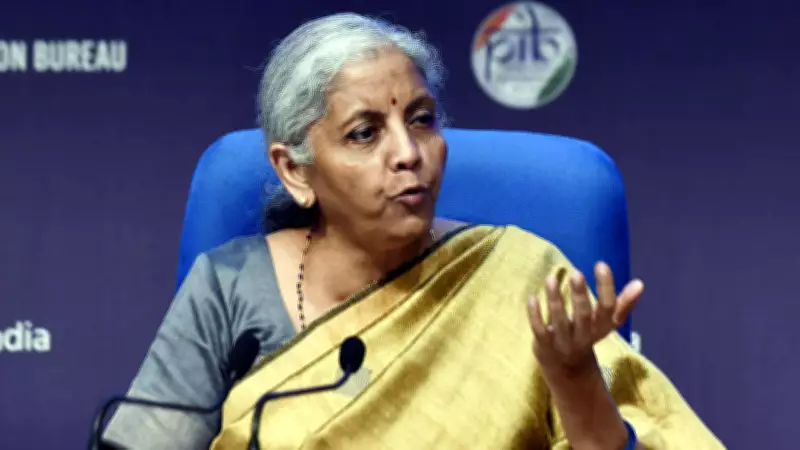
Lok Sabha Approves Finance Bill with Significant Tax Amendments
The Lok Sabha on Wednesday passed the Finance Bill, incorporating 32 amendments introduced by Finance Minister Nirmala Sitharaman. Among the key changes is a provision specifying that in cases of share buybacks, an additional income tax on capital gains made by promoters will be subject to a 12% surcharge. This amendment aims to clarify the tax treatment for high-income taxpayers and promoters involved in such transactions.
Clarity on Buyback Taxation and Surcharge
The Finance Bill had proposed shifting buyback taxation to the shareholder level, replacing the dividend tax previously applicable. It reintroduced capital gains tax, with an additional levy for buybacks involving promoters. The amendment now ensures that the surcharge on buyback income is taxed at 12%, potentially reducing the effective tax burden for affected parties.
Amit Maheshwari, managing partner at consulting firm AKM Global, commented, "The Finance Bill 2026 moves buyback taxation to the shareholder level, but the applicable surcharge was initially ambiguous, particularly for promoters and high-income taxpayers. The amendment now indicates that the surcharge on buyback income will be taxed at 12%, which could lower the effective tax burden."

Enhanced Tax Benefits for Startups
In addition to buyback provisions, the amendments include changes to the tax holiday for startups. The turnover threshold for eligibility has been increased from Rs 100 crore to Rs 300 crore. This adjustment means that eligible startups with turnover up to Rs 300 crore can now qualify for the tax holiday starting from the financial year 2026-27.
Pranav Sayta, partner and national leader for international tax and transaction services at EY India, explained, "The threshold has been raised to Rs 300 crore, allowing eligible startups with turnover up to this limit to benefit from the tax holiday from financial year 2026-27. Most amendments are intended to provide greater clarity and align the language with the provisions' intent."
Improved Tax Administration and Deadlines
Sayta also highlighted another amendment regarding income tax return filings. Previously, there was no stipulated minimum time for taxpayers to file returns in response to notices for reopening or reassessment. The new amendments specifically require that taxpayers be given a minimum of 30 days to file such returns, enhancing procedural fairness.
During the Lok Sabha debate, Finance Minister Nirmala Sitharaman emphasized that the budget includes several facilitative measures for the middle class and small businesses. She noted the government's commitment to a trust-based tax administration, aimed at reducing unnecessary hardships for honest taxpayers. Sitharaman stated that India is advancing on a "reform express," driven by conviction, clarity, confidence, and commitment rather than compulsion.
The passage of the Finance Bill with these amendments reflects ongoing efforts to streamline tax policies and support economic growth through targeted incentives and clearer regulations.






