

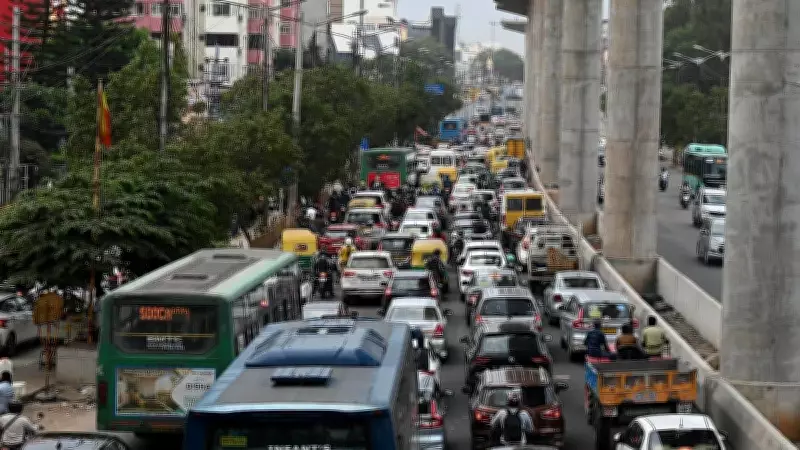
The Economic Survey 2025 has put forward significant recommendations aimed at tackling Bengaluru's persistent traffic congestion problems. The comprehensive report suggests the implementation of a congestion tax system alongside the formal legalization and standardization of various shared transport modes.
Key Recommendations for Bengaluru's Transport Overhaul
The survey specifically highlights the need for legalizing shared autos, e-rickshaws, minibuses, and bike taxis through a structured regulatory framework. This approach seeks to bring informal transport services into the formal economy while improving safety and reliability for commuters.
Proposed Regulatory Framework
The recommendations include several crucial elements for implementation:

- Simplified Permit Systems: Creating streamlined licensing processes for shared transport operators
- Designated Pickup Bays: Establishing official boarding and alighting points across the city
- App-Based Integration: Incorporating these services into digital platforms for better accessibility
Congestion Tax Implementation
The proposed congestion tax represents a bold move to manage traffic flow during peak hours. This system would likely involve charging vehicles entering high-traffic zones during specific times, encouraging alternative transport use and reducing overall congestion.
These recommendations come as Bengaluru continues to grapple with severe traffic challenges that affect productivity, air quality, and quality of life for residents. The Economic Survey's proposals aim to create a more sustainable and efficient urban transport ecosystem while addressing environmental concerns.
The implementation of these measures would require careful planning, public consultation, and infrastructure development. However, if successfully executed, they could transform Bengaluru's transportation landscape and serve as a model for other Indian cities facing similar challenges.






