

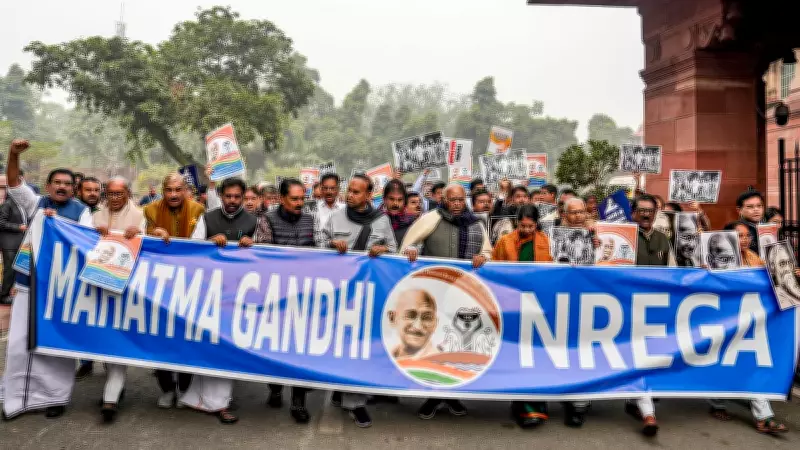
The recently released Economic Survey for the fiscal year 2025-26 has brought to light a crucial development in India's rural employment landscape. The document indicates a notable decline in the demand for work under various government schemes, a trend that has directly influenced recent policy decisions.
Government Response to Shifting Employment Patterns
This observed reduction in work demand has been a primary factor compelling the central government to enact the new VB-G RAM initiative. The survey suggests that changing rural employment requirements over recent years have necessitated this strategic policy shift.
Reassessing Program Design and Objectives
While acknowledging the significant achievements of existing rural employment programs, particularly the Mahatma Gandhi National Rural Employment Guarantee Scheme (MGNREGS), the Economic Survey emphasizes the need for a comprehensive reassessment. The evolving nature of work demands in rural India calls for updated program designs and refined objectives to better align with contemporary economic realities.

The survey data indicates that traditional approaches may no longer fully address the current employment landscape. This has created an imperative for more targeted interventions that can respond effectively to the transformed requirements of rural workers across different states and regions.
Implications for Future Policy Direction
The implementation of VB-G RAM represents a direct governmental response to these shifting dynamics. This move signals a potential reorientation of rural employment strategies, moving beyond conventional frameworks to address more specific and emerging needs.
The Economic Survey's findings suggest that future policy interventions will need to be more adaptive and responsive to changing economic conditions. This may involve greater flexibility in program implementation, more precise targeting of beneficiaries, and innovative approaches to creating sustainable employment opportunities in rural areas.
As India continues its economic development journey, the alignment between employment programs and actual work demand will remain crucial for ensuring inclusive growth and social stability across the nation's diverse rural landscape.






