

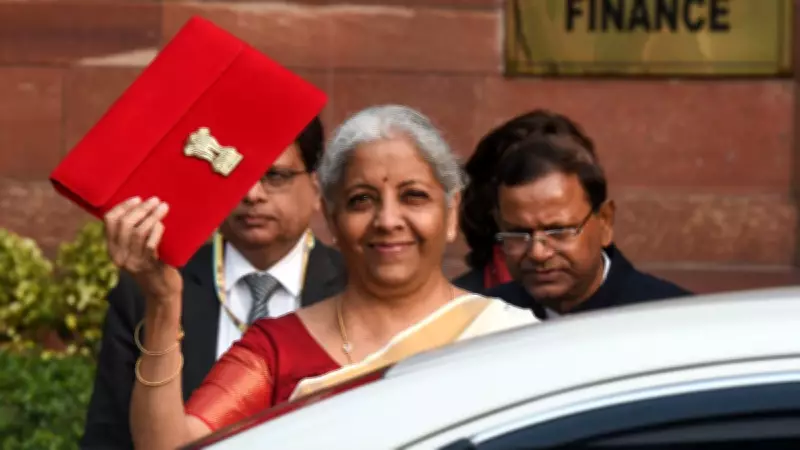
Union Budget 2026: Nirmala Sitharaman to Present on February 1 with Key Focus Areas
Finance Minister Nirmala Sitharaman is set to present the highly anticipated Union Budget for the fiscal year 2026 on February 1, as per the established parliamentary schedule. This budget presentation marks a crucial moment for India's economic trajectory, coming at a time when global and domestic factors are shaping policy decisions. Stakeholders across sectors are keenly awaiting the announcements, with expectations building around several core themes that could define the nation's financial roadmap for the coming year.
Capital Expenditure: A Driving Force for Growth
One of the primary areas of focus in the Union Budget 2026 is expected to be capital expenditure (capex). The government has consistently emphasized boosting infrastructure development to stimulate economic growth, and this budget is likely to continue that trend. Analysts predict significant allocations towards sectors such as roads, railways, ports, and digital infrastructure. Increased capex not only creates immediate job opportunities but also lays the foundation for long-term productivity gains, making it a key lever for sustaining India's growth momentum amid global uncertainties.
Tax Stability and Reforms: Balancing Revenue and Relief
Tax policy is another critical component under scrutiny. There is a strong expectation for tax stability to provide certainty for businesses and investors, which is essential for fostering a conducive investment climate. While major overhauls might be limited, the budget could introduce targeted tweaks to simplify compliance, enhance ease of doing business, or offer incentives for specific industries like manufacturing or green energy. Additionally, potential adjustments in personal income tax slabs or deductions could be on the table to address inflationary pressures and boost disposable income for the middle class.

Other Key Expectations and Economic Measures
Beyond capex and taxes, the Union Budget 2026 is anticipated to address several other pivotal areas:
- Fiscal Consolidation: With an eye on maintaining macroeconomic stability, the government might outline a path for reducing the fiscal deficit, balancing growth-oriented spending with prudent fiscal management.
- Social Sector Spending: Enhancements in allocations for healthcare, education, and rural development are likely, aiming to support inclusive growth and address socio-economic disparities.
- Support for MSMEs and Startups: Given their role in employment generation and innovation, measures such as easier credit access or tax benefits could be introduced to bolster these sectors.
- Green Initiatives: In alignment with global sustainability goals, the budget may include incentives for renewable energy projects and eco-friendly practices.
As Finance Minister Nirmala Sitharaman prepares to unveil the budget, the emphasis is on crafting a balanced approach that stimulates economic expansion while ensuring fiscal responsibility. The outcomes of this budget will be closely watched by economists, industry leaders, and citizens alike, as they set the tone for India's economic priorities in 2026 and beyond.






