

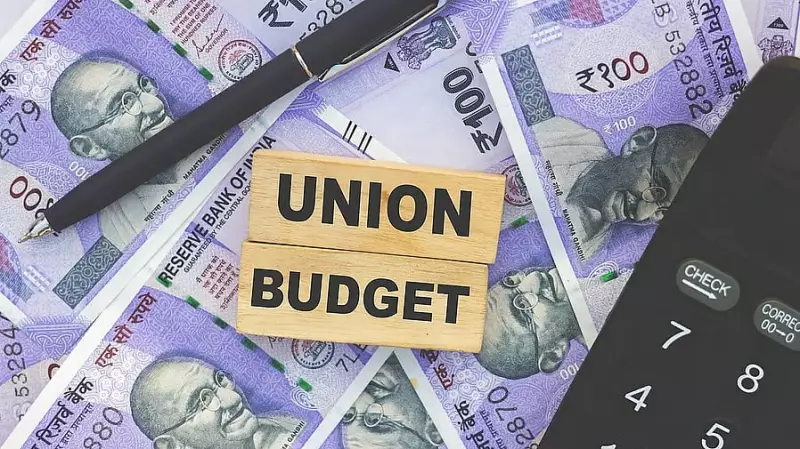
In a critical analysis of the upcoming Union Budget 2026, former Finance Secretary Subhash Chandra Garg has called for a strategic focus on a budget that builds India's future rather than accumulating liabilities. His remarks highlight concerns over unproductive capital expenditure and subsidies, which he argues drain trillions of rupees without significantly improving the daily lives of citizens.
The Drain of Unproductive Expenditure
Garg points out that a substantial portion of government spending is directed towards capital projects and subsidy schemes that fail to deliver tangible benefits. These expenditures, often justified as necessary for development, can become financial burdens that hinder long-term economic progress. He emphasizes that such practices not only strain public finances but also divert resources from more impactful investments in infrastructure, healthcare, and education.
Impact on Citizens' Daily Lives
Despite massive outlays, many subsidies and capital projects do not translate into better living standards for ordinary Indians. Garg argues that this misallocation of funds exacerbates issues like poverty, unemployment, and inadequate public services. By focusing on short-term gains or political expediency, the budget risks neglecting areas that directly affect quality of life, such as affordable housing, clean water, and reliable transportation.

Building a Sustainable Future
To address these challenges, Garg advocates for a budget that prioritizes productive investments. This includes enhancing human capital through skill development programs, boosting innovation in technology and industry, and strengthening social safety nets in a targeted manner. He suggests that by reallocating funds from inefficient subsidies to high-return projects, the government can foster sustainable growth and reduce fiscal deficits over time.
Key Recommendations for Budget 2026
- Audit existing capital expenditures to identify and eliminate wasteful projects.
- Reform subsidy structures to ensure they reach the intended beneficiaries efficiently.
- Increase funding for sectors with high multiplier effects, such as renewable energy and digital infrastructure.
- Promote transparency and accountability in budget allocations to prevent misuse of public money.
As the Union Budget 2026 approaches, Garg's insights serve as a timely reminder for policymakers to craft a financial plan that not only addresses immediate needs but also lays a solid foundation for India's future prosperity. By shifting focus from liabilities to growth-oriented investments, the budget can play a pivotal role in transforming the nation's economic landscape.






