

Union Budget 2026 Set for Presentation Amid Economic Headwinds
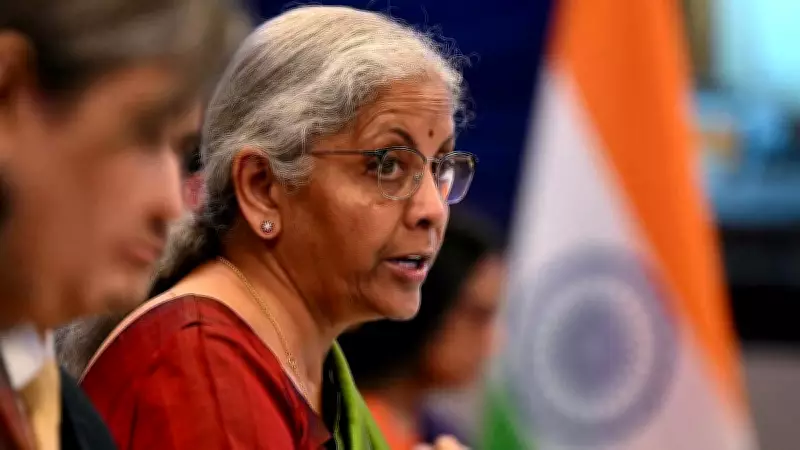
Finance Minister Nirmala Sitharaman is poised to present the highly anticipated Union Budget 2026 in a challenging economic environment characterized by a weakening rupee and significant foreign capital outflows. This budget presentation comes at a critical juncture for India's financial landscape, with policymakers facing the dual task of stimulating growth while managing external vulnerabilities.
Rupee Depreciation Reaches Alarming Levels
The Indian rupee has experienced substantial depreciation over the past twelve months, declining by approximately 7% against major global currencies. This downward trend reached a concerning milestone on Thursday when the rupee slipped below the psychological threshold of 92 against the US dollar, marking one of its weakest positions in recent years.
Several factors have contributed to this currency weakness:

- Global monetary policy tightening by major central banks
- Elevated crude oil prices impacting India's import bill
- Broad dollar strength in international markets
- Concerns about India's current account deficit
Foreign Capital Exodus Pressures Financial Markets
Parallel to the rupee's decline, Indian financial markets have witnessed substantial foreign capital outflows in recent weeks. International investors have been pulling funds from both equity and debt markets, creating additional pressure on asset prices and currency stability.
The stock markets have reflected this negative sentiment through:
- Sustained selling pressure across major indices
- Increased volatility in trading sessions
- Reduced market participation from institutional investors
- Declining market capitalization of listed companies
Budget 2026: A Crucial Policy Response
Against this backdrop, Union Budget 2026 assumes heightened importance as a potential catalyst for economic stabilization. Market participants and economic analysts are closely watching for several key measures that could address current challenges:
Expected focus areas in the budget include:
- Fiscal consolidation measures to maintain macroeconomic stability
- Incentives to attract foreign investment across sectors
- Export promotion schemes to improve trade balance
- Infrastructure spending to stimulate domestic economic activity
- Tax reforms to enhance business competitiveness
The budget presentation represents a critical opportunity for the government to demonstrate its commitment to economic resilience and outline a clear roadmap for navigating current headwinds while positioning India for sustainable long-term growth.






