

Budget 2024 Expected to Prioritize Domestic Growth Amid Global Headwinds
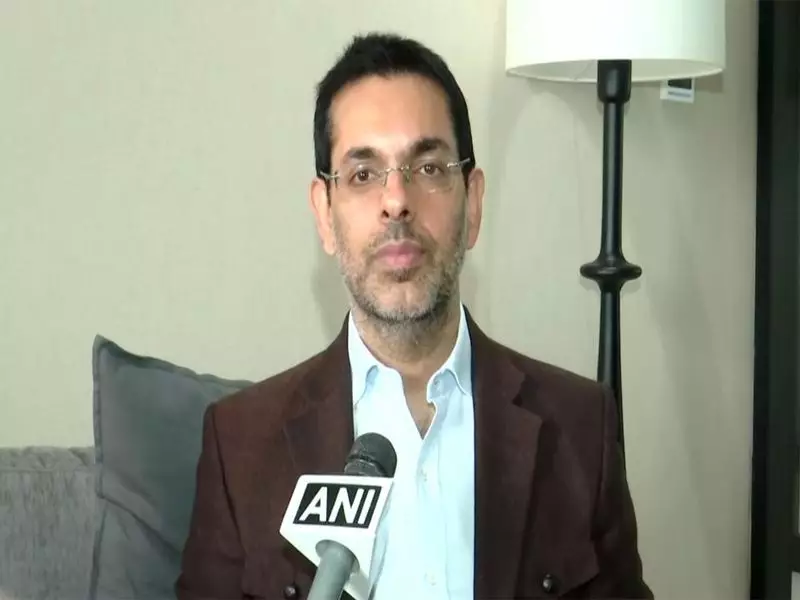
As India prepares for its upcoming budget announcement, financial experts are closely analyzing the potential direction of fiscal policy. Rahul Arora, the Chief Executive Officer of Ashika Group, has provided a significant insight, suggesting that the budget is likely to adopt an inward-looking approach. This strategic shift is anticipated in response to the persistent global uncertainties that continue to impact economies worldwide.
Navigating Global Economic Challenges
The global landscape is currently marked by several challenges that could influence India's economic planning. Arora highlights factors such as:
- Geopolitical tensions in various regions
- Fluctuations in international trade dynamics
- Volatility in global financial markets
- Ongoing inflationary pressures in major economies
These elements create an environment where a focus on domestic resilience becomes crucial. By emphasizing internal growth drivers, the government aims to shield the Indian economy from external shocks and ensure sustainable development.

Key Focus Areas for the Inward-Looking Budget
According to Arora's analysis, the budget is expected to concentrate on several core domestic sectors to bolster economic stability. Potential areas of emphasis include:
- Infrastructure Development: Increased allocations for roads, railways, and urban projects to stimulate job creation and economic activity.
- Manufacturing Boost: Support for the Make in India initiative through incentives and policy measures to enhance domestic production capabilities.
- Agricultural Reforms: Initiatives aimed at improving farm productivity and rural incomes, ensuring food security and rural economic growth.
- MSME Support: Enhanced credit access and regulatory easing for micro, small, and medium enterprises to foster entrepreneurship and employment.
- Digital Economy: Continued investment in digital infrastructure and technology adoption to drive innovation and efficiency across sectors.
This inward focus is not about isolation but about strengthening the domestic foundation to better engage with the global economy in the long term.
Implications for Investors and Businesses
Rahul Arora's perspective carries weight given his role at Ashika Group, a prominent financial services firm. His outlook suggests that investors and businesses should prepare for a budget that:
- Prioritizes sectors with strong domestic demand and growth potential
- May introduce measures to attract domestic investment and savings
- Could include fiscal policies aimed at boosting consumer spending and industrial output
- Might focus on reducing import dependence in critical areas to enhance self-reliance
This approach aligns with the broader economic strategy of building a robust and self-sustaining economy capable of weathering global storms.
Conclusion: A Strategic Shift in Fiscal Policy
In summary, the insights from Ashika Group CEO Rahul Arora indicate a pivotal moment in India's economic planning. The anticipated inward-looking budget reflects a pragmatic response to the unpredictable global environment. By focusing on domestic strengths and addressing internal challenges, the government aims to create a stable growth trajectory that benefits all sectors of the economy. As the budget details unfold, stakeholders will be watching closely to see how these priorities translate into concrete policies and allocations.






