

Nobel Laureate Advocates for Structural Reforms Ahead of Union Budget
In a significant address at the Hyderabad Literary Festival (HLF) on Monday, Nobel laureate Abhijit Banerjee called for a renewed focus on structural reforms in India, urging policymakers to move beyond the perpetual cycle of budget preparations and electoral politics. Speaking ahead of the upcoming Union budget, Banerjee emphasized that the country needs to take a pause and think strategically about enhancing governmental effectiveness.
Opportunity for Reflection Between Elections
Banerjee highlighted that the period between the 2024 and 2029 general elections presents a crucial window for India to step back from immediate political pressures. Policymaking and public discourse are often driven by the next budget or the next election, he noted, suggesting that this timeframe should be utilized to implement long-term structural changes that can improve governance and economic stability.
Skepticism Towards Aggregate GDP Rankings
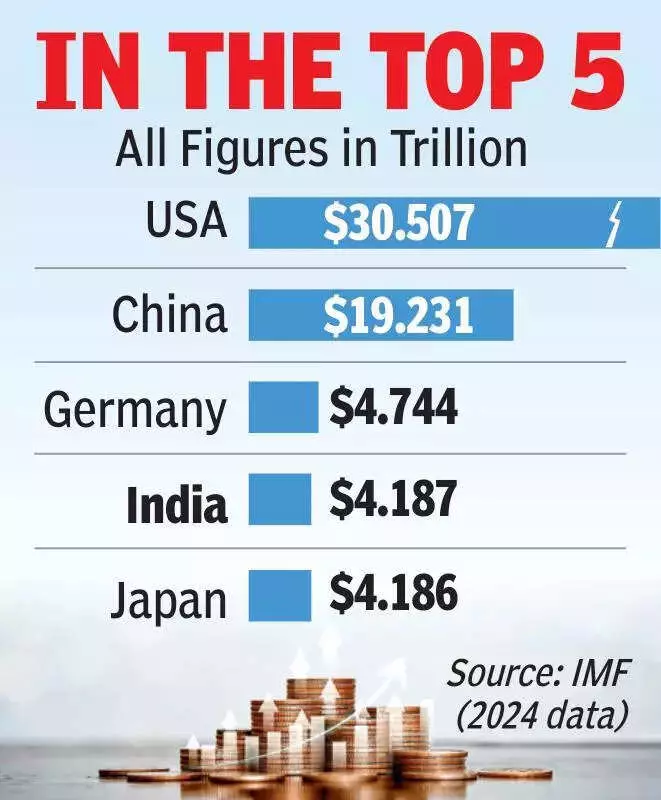
When discussing India's achievement of becoming the world's fourth-largest economy in aggregate GDP terms—trailing only the US, China, and Germany—Banerjee expressed reservations about such rankings. He argued that these figures, which are not adjusted for population, offer limited insight into citizens' welfare. With a population of 1.4 billion compared to Germany's much smaller population, aggregate GDP comparisons can be misleading, he explained, pointing out that India's per capita GDP remains relatively low, underscoring the need for metrics that better reflect individual well-being.

Avoiding Predictions on Future Economic Leadership
The renowned economist refrained from speculating on whether India is on track to become one of the world's leading economies by 2047. I avoided predictions about the future, as economies can grow rapidly and then suddenly slow down, Banerjee stated, adding that nobody knows anything about what will happen 20 years from now. This cautious stance reflects his emphasis on addressing current structural issues rather than relying on uncertain long-term forecasts.
Navigating Global Tariff Pressures
In response to questions about how India is handling global tariff pressures, Banerjee pointed to the depreciation of the rupee as a key mechanism. You can see what's happening. The rupee is depreciating; that's mostly how we are handling it right now, he said, noting that while efforts are being made to manage the situation, currency depreciation remains a primary strategy to cope with external economic challenges.
Persistent Challenges in Nutrition and Health
Turning to economic issues related to food and nutrition, Banerjee highlighted India's ongoing struggle with malnutrition, stating that the country still hosts one of the world's largest malnourished and stunted populations. He identified protein deficiency in diets as a core problem, advocating for practical solutions such as including eggs in school nutrition programs. Eggs are a cheap and effective source of protein, yet their inclusion often becomes contentious, he remarked, pointing to the need for policy interventions that address nutritional gaps without unnecessary controversy.
Banerjee's insights at the Hyderabad event underscore the importance of shifting focus from short-term economic metrics to deeper structural reforms that can enhance governance, improve public welfare, and address persistent issues like malnutrition. His call for a strategic pause in the political cycle resonates as India navigates complex global and domestic economic landscapes.






