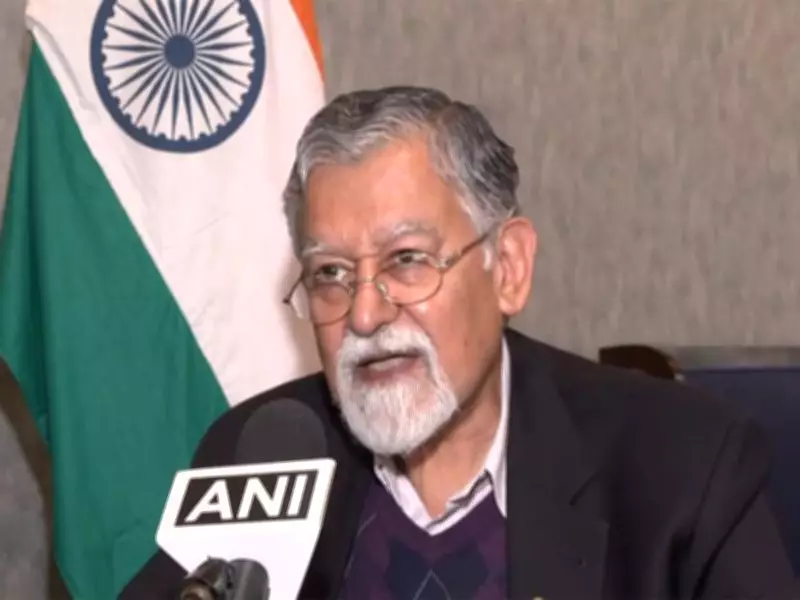
Atmanirbhar Bharat Emphasizes Competitive Global Integration, Not Isolation
In a significant clarification on India's economic policy, Arvind Virmani, a member of NITI Aayog, has stated that the Atmanirbhar Bharat (Self-Reliant India) initiative does not imply isolationism. Instead, it focuses on achieving competitive integration into the global economy. This statement comes in the context of ongoing strategic deals between India and the United States, highlighting how self-reliance is being redefined to foster international partnerships while enhancing domestic capabilities.
Redefining Self-Reliance in a Globalized World
Virmani's remarks underscore a shift in perception regarding Atmanirbhar Bharat. Rather than retreating from global trade, the initiative aims to:
- Strengthen India's manufacturing and technological base to compete effectively on the world stage.
- Attract foreign investment and collaborations, such as those seen in recent India-US agreements.
- Reduce dependency on imports in critical sectors while promoting exports and innovation.
This approach aligns with India's broader economic goals of becoming a $5 trillion economy, leveraging global networks to boost growth and resilience.

Implications for India-US Strategic Partnerships
The emphasis on competitive integration is particularly relevant as India engages in high-profile deals with the US, covering areas like defense, technology, and trade. These partnerships are viewed as opportunities to:
- Enhance India's strategic autonomy by building indigenous capabilities through knowledge transfer.
- Foster mutual benefits, where both nations gain from shared expertise and market access.
- Address global challenges collaboratively, positioning India as a reliable partner in international affairs.
Virmani's comments suggest that Atmanirbhar Bharat is not about closing borders but about creating a more robust and interconnected economy that can thrive in competitive global markets.
Broader Economic and Policy Context
This perspective from NITI Aayog reflects a nuanced understanding of self-reliance in today's interconnected world. Key points include:
- Balancing domestic production with global trade to avoid protectionist pitfalls.
- Using initiatives like Make in India and digital reforms to complement Atmanirbhar Bharat.
- Ensuring that policies support small and medium enterprises in adapting to global competition.
As India navigates post-pandemic recovery and geopolitical shifts, Virmani's insights highlight a forward-looking strategy that prioritizes competitiveness without sacrificing integration.