

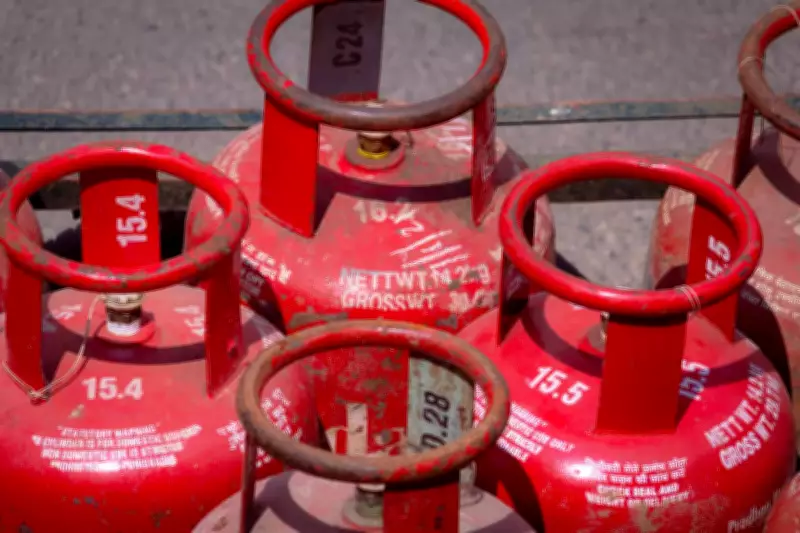
6,000 LPG Connections Surrendered as PNG Adoption Accelerates
The government announced on Sunday that approximately 6,000 piped gas consumers have voluntarily surrendered their LPG connections over the past three days. This significant move comes alongside the activation of 2.9 lakh new PNG (Piped Natural Gas) connections this month, effectively alleviating pressure on cylinder stocks. The developments occur against the backdrop of energy supply disruptions stemming from the ongoing conflict in West Asia.
Government Initiatives and Public Response
Petroleum Secretary Neeraj Mittal highlighted this trend in an online post, praising citizens for their proactive stance. "By giving up their LPG connections, people have helped those who don't have access to gas cylinders," Mittal stated on X. He encouraged more individuals to join this group of do-good citizens who are relinquishing LPG to assist others in obtaining PNG where available.
The government has implemented measures to streamline this transition, including:

- Making piped gas connections mandatory in areas with existing network infrastructure.
- Discontinuing LPG supply after a three-month grace period in such regions.
- Launching a dedicated portal for PNG users to express interest in surrendering LPG connections.
Under this initiative, LPG cylinders will be collected from households, and security deposits will be refunded by distributors, facilitating a smooth shift to piped gas.
Ensuring Uninterrupted Energy Supplies
In an official statement, the petroleum ministry reaffirmed its commitment to maintaining uninterrupted availability of petroleum products and LPG across the nation. While acknowledging that LPG supply has been impacted by the geopolitical situation in West Asia, the ministry reported that domestic LPG cylinder delivery remains normal, with 55 lakh refills distributed on Saturday alone. Additionally, sufficient stocks of petrol and diesel are currently available.
Industrial and Fertilizer Sector Assurance
Addressing concerns about PNG availability for urea plants, the government clarified that supply is steady at 70-75% of average consumption over the last six months. All industrial consumers, including fertilizer plants, have been advised to specify their additional requirements on a spot basis. Gas marketing companies will arrange these needs, supported by the sourcing of additional liquefied and regasified natural gas cargos to maintain supply chain integrity and pipeline hydraulics.
This coordinated effort underscores the government's strategy to mitigate energy supply challenges through enhanced PNG infrastructure and public participation, ensuring stability amid global uncertainties.






