

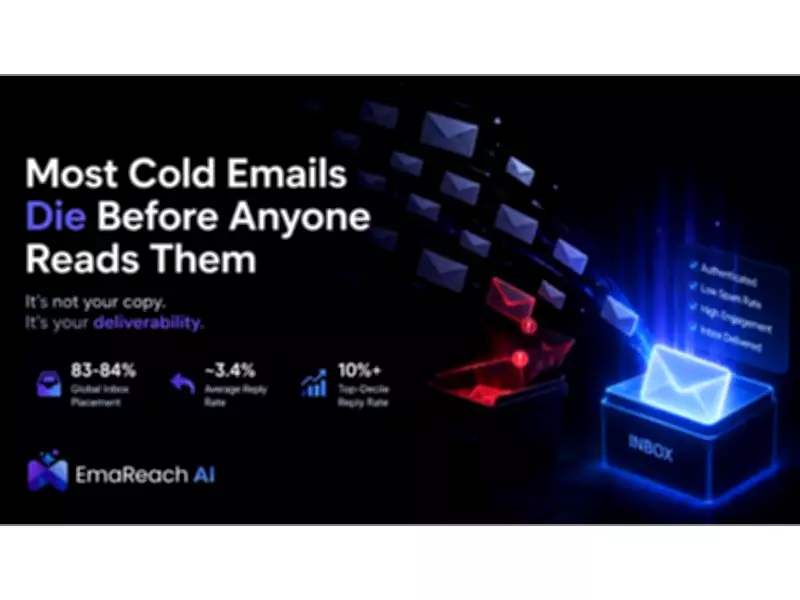
A recent analysis reveals that a vast majority of cold emails are never even opened, and the primary reason is not poor writing but rather a failure in strategy and execution. According to industry experts, the average open rate for cold emails hovers around 20-30%, meaning up to 80% of these messages are ignored or deleted before being read.
The Real Problem: Deliverability and Relevance
The issue often lies in the email's ability to reach the inbox in the first place. Spam filters are increasingly sophisticated, and many cold emails are flagged as spam due to improper formatting, misleading subject lines, or a lack of personalization. Additionally, even if an email lands in the inbox, the subject line must compel the recipient to open it. Generic subject lines like "Let's connect" or "Business opportunity" are easily ignored.
Key Factors That Kill Cold Emails
- Poor Targeting: Sending emails to a broad, unsegmented list reduces relevance. Recipients are more likely to open emails that address their specific needs or industry.
- Weak Subject Lines: Subject lines that are too salesy, vague, or misleading decrease open rates. Personalization and curiosity-driven lines perform better.
- Lack of Personalization: Emails that start with "Dear Sir/Madam" or fail to reference the recipient's company or role come across as spammy.
- Ignoring Timing: Sending emails at suboptimal times (e.g., late at night or during weekends) can lead to lower open rates.
Beyond Writing: Strategic Improvements
To improve cold email performance, marketers must focus on deliverability, targeting, and testing. Using a reputable email service provider, cleaning email lists regularly, and segmenting audiences based on behavior or demographics can significantly boost open rates. A/B testing subject lines, sender names, and send times is also crucial.

Actionable Tips
- Research your recipients thoroughly and tailor each email to their specific context.
- Keep subject lines under 50 characters and avoid spam trigger words like "free" or "guaranteed."
- Use a professional email address from a custom domain rather than a generic Gmail or Yahoo account.
- Include a clear and easy way to unsubscribe to maintain sender reputation.
Ultimately, the success of cold emailing hinges on a strategic approach that prioritizes relevance and respect for the recipient's time. While good writing is important, it is only one piece of a larger puzzle that includes deliverability, targeting, and continuous optimization.






