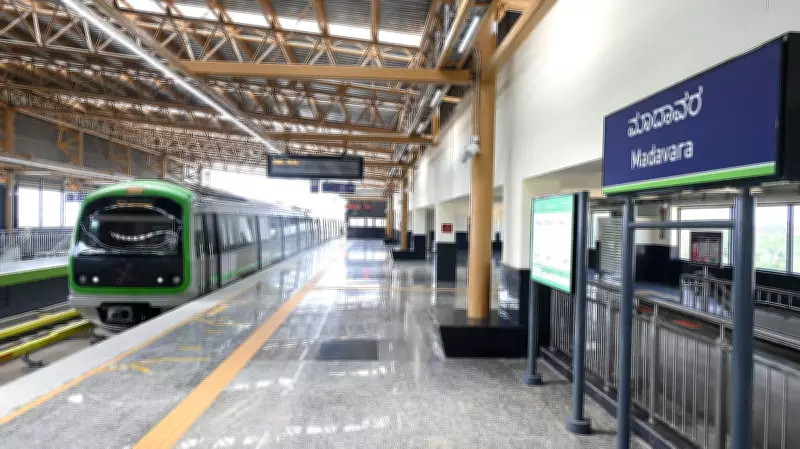
The Detailed Project Report (DPR) for the proposed Tumakuru Metro has made a strong pitch for private investment through a 30-year concession model. The project, which includes 16 stations, is estimated to cost between Rs 17,785 crore and Rs 19,361 crore, depending on the chosen funding structure.
Project Overview and Cost Estimates
The DPR outlines various financial models, with the cost varying based on the extent of private sector participation. The lower estimate of Rs 17,785 crore applies to a model with higher government funding, while the upper estimate of Rs 19,361 crore reflects a scenario with greater private investment and associated returns.
Key Features of the Concession Model
- 30-Year Concession Period: Private players would operate and maintain the metro for three decades, recovering their investment through fares and ancillary revenue.
- 16 Stations: The metro line will connect key points in Tumakuru, a rapidly growing industrial city in Karnataka.
- Funding Flexibility: The DPR allows for multiple funding structures, including public-private partnerships (PPP) and government-backed models.
Implications for Urban Mobility
The Tumakuru Metro aims to address the city's growing traffic congestion and provide a sustainable transport option. By involving private investment, the government hopes to reduce the fiscal burden while ensuring efficient operations. The DPR emphasizes that the 30-year concession would attract long-term investors, such as infrastructure funds and construction firms.

Next Steps
The DPR will now be reviewed by the Karnataka government and the Bangalore Metro Rail Corporation Limited (BMRCL). A decision on the funding model is expected in the coming months, with construction likely to begin after final approvals. The project is part of broader efforts to expand metro connectivity in Karnataka's secondary cities.
Stakeholders, including local businesses and residents, have welcomed the proposal, though some have raised concerns about fare affordability under a private concession model. The DPR suggests a regulatory mechanism to balance returns for investors and affordability for commuters.