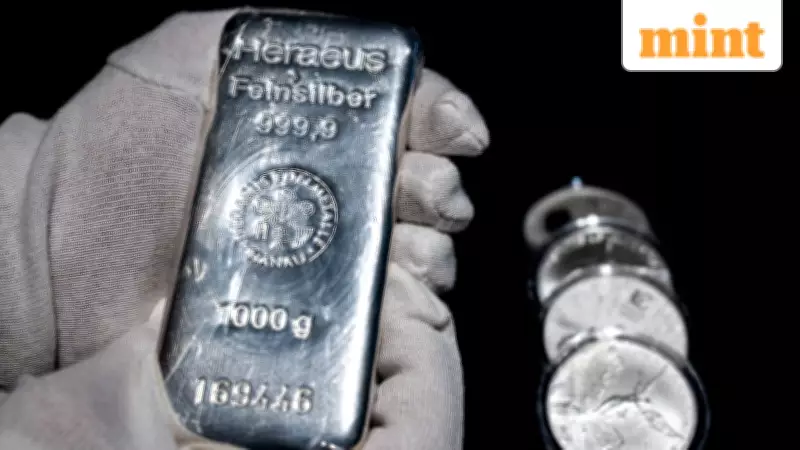
Silver is currently experiencing a remarkable recovery, significantly outpacing gold, stocks, Treasuries, and even Bitcoin in recent trading sessions. However, before investors rush to capitalize on this surge, it is crucial to examine the metal's historical performance and understand why this rally might be misleading.
Silver's Stunning Performance Amid Market Volatility
On Tuesday, silver futures were on track to close with an impressive gain of 15% shortly after noon, while gold contracts showed a more modest increase of 6.5%. In contrast, most stocks, particularly those in the technology sector, were trading lower. Bitcoin fell by 2.3%, and Treasury prices also declined, highlighting silver's standout performance in a generally bearish market.
A Look at Recent Declines and Historical Context
This surge comes after two challenging days for silver. On Monday, the metal fell by 1.9%, following a dramatic 31% plunge on Friday. According to the Dow Jones Market Data team, Friday's decline marked the second-largest single-day drop in silver's recorded history.

What makes Friday's plunge particularly noteworthy is that it ended a streak of 853 days without a 20% correction. Ned Davis Research notes that this streak was just three days short of the record 856-day period that concluded in January 1980. The decline occurred after silver hit a record price at the beginning of the previous week, adding to the significance of this event.
Historical Patterns Suggest Caution for Investors
Matt Bauer, a commodity strategist at Ned Davis Research, has identified four prior instances where silver broke such a streak with a 20% correction following an all-time high. Bauer warns that if the current situation mirrors these past peaks, silver faces significant challenges in reclaiming its record levels.
In a detailed analysis, Bauer outlined the historical drawdown periods:
- The first drawdown around 1968 lasted approximately 3.6 years.
- The second, around 1975, persisted for nearly two years.
- The other two instances, beginning around 1980 and 2011, lasted about 13 years and nine years, respectively.
On average, it took silver almost seven years to find a bottom or reach its absolute low point during these periods. The average peak-to-trough decline was nearly 65%, and it took just under 14 years for silver to return to record levels, according to Bauer's research.
Important Caveats and Considerations
While these historical patterns provide valuable insights, Bauer emphasizes that investors should approach the data with caution. The numbers are heavily influenced by the 93% drop that followed the 1980 peak, which skews the averages. Additionally, it is essential to remember that past performance does not guarantee future results.
Despite the small sample size of only four instances, Bauer believes the takeaways are noteworthy. "We do believe the takeaways are noteworthy," he wrote, urging investors to consider silver's volatile history before making investment decisions based on the current rally.
As silver continues to capture market attention with its dramatic movements, investors are advised to weigh historical trends against current market conditions. While the metal's recent performance is impressive, understanding its past could be key to navigating potential future volatility.