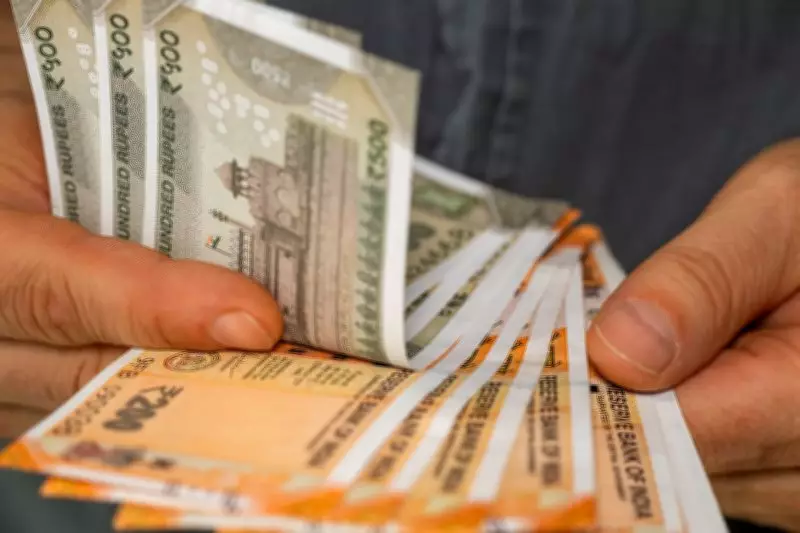
The Reserve Bank of India (RBI) is reportedly planning to introduce polymer banknotes in the country, aiming to address the increasing demand for currency while improving the lifespan of banknotes. According to a recent report, the central bank is exploring the shift from traditional paper notes to polymer-based ones, which are known for their durability and resistance to wear and tear.
Why Polymer Banknotes?
Polymer banknotes are made from a thin, flexible plastic material that is more durable than paper. They are harder to counterfeit and can last longer in circulation, reducing the need for frequent replacements. Countries like Australia, Canada, and the United Kingdom have already adopted polymer notes with success.
Benefits of Polymer Notes
- Durability: Polymer notes last up to 2.5 times longer than paper notes.
- Security: They incorporate advanced security features that make counterfeiting difficult.
- Hygiene: The non-porous surface resists moisture and dirt, making them more hygienic.
Current Scenario
The RBI has been facing challenges related to the high cost of printing and replacing soiled notes. With the economy growing and currency demand rising, the central bank is looking for cost-effective and sustainable solutions. The introduction of polymer banknotes is seen as a step in this direction.

However, the transition may take time as it involves changes in printing infrastructure, public acceptance, and handling by automated teller machines (ATMs) and vending machines. The RBI is likely to conduct pilot tests before a full-scale rollout.
Global Examples
Australia was the first country to introduce polymer notes in 1988. Since then, many nations have followed suit. The Bank of England issued polymer £5 and £10 notes, which have been well-received. Canada's polymer notes have also proven to be durable and secure.
In India, the RBI has previously introduced commemorative polymer notes but has not yet adopted them for regular circulation. The new proposal suggests a broader implementation to meet the growing currency needs.
Challenges Ahead
While polymer notes offer several advantages, there are concerns about their recycling and environmental impact. Additionally, the initial cost of switching production lines can be high. The RBI will need to weigh these factors against the long-term benefits.
Industry experts believe that polymer notes could be a game-changer for India's currency management, especially in reducing the frequency of note replacements and lowering overall costs. The move is also expected to align with global best practices.
The RBI has not officially confirmed the timeline for the introduction, but sources indicate that discussions are in the early stages. Further announcements are expected in the coming months as the central bank evaluates the feasibility and implementation strategy.