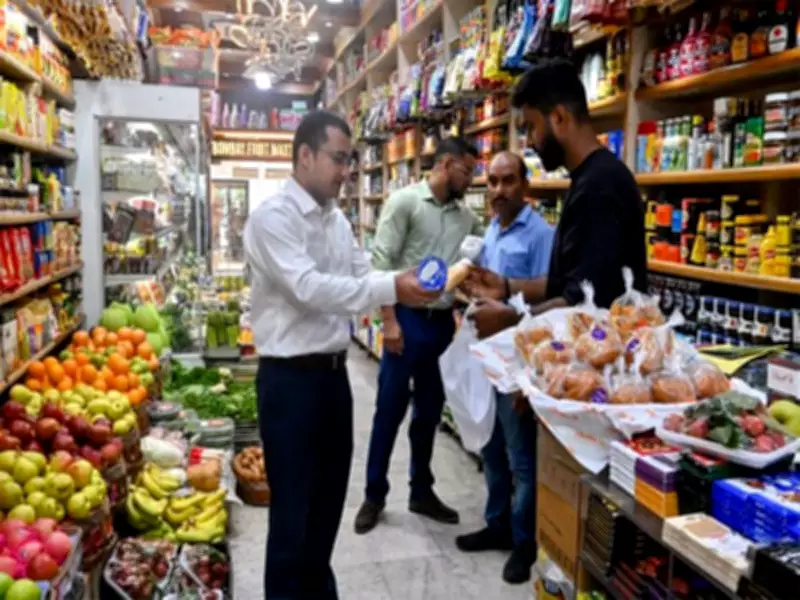
Consumers may need to brace for further price increases on food and personal care products as companies face escalating raw material costs, according to a recent report. The rising expenses for key inputs such as edible oils, packaging materials, and chemicals are putting pressure on manufacturers, who may pass on these costs to customers.
Key Drivers of Price Hikes
The report highlights that the cost of crude oil, a major component in packaging and transportation, has surged globally. Additionally, prices of palm oil and other edible oils have climbed due to supply chain disruptions and increased demand. These factors are forcing companies to reconsider their pricing strategies.
Impact on Consumers
As a result, everyday items like cooking oils, soaps, shampoos, and packaged foods could become more expensive. Industry experts warn that if raw material costs continue to rise, the price hikes may become more pronounced in the coming months. This could strain household budgets, especially for lower-income families who spend a larger share of their income on essentials.

Company Responses
Several major companies have already announced price adjustments. For instance, Hindustan Unilever and Nestle have indicated that they are monitoring input costs closely and may raise prices selectively. However, they are also looking at cost-saving measures to mitigate the impact on consumers. Smaller manufacturers, with less pricing power, may be forced to raise prices more aggressively.
Broader Economic Implications
The trend of rising raw material costs is not limited to India but is a global phenomenon. It is contributing to inflationary pressures worldwide, with central banks in many countries considering tightening monetary policy. In India, the Reserve Bank of India (RBI) is closely watching inflation trends and may adjust interest rates accordingly.
In conclusion, consumers should anticipate higher prices for food and personal care products in the near term. While companies are trying to balance cost pressures with consumer demand, the likelihood of further price increases remains high if raw material costs do not stabilize.