Oil Marketing Companies Implement LPG Rationing Amid West Asia Conflict
In response to escalating tensions and supply chain disruptions stemming from the ongoing conflict in West Asia, major oil marketing companies (OMCs) in India have announced plans to ration liquefied petroleum gas (LPG) supplies. This strategic move aims to manage dwindling resources effectively while prioritizing the needs of domestic consumers over commercial users. The decision underscores the broader impact of geopolitical instability on global energy markets and India's efforts to safeguard essential household fuel access.
Supply Chain Disruptions Trigger Rationing Measures
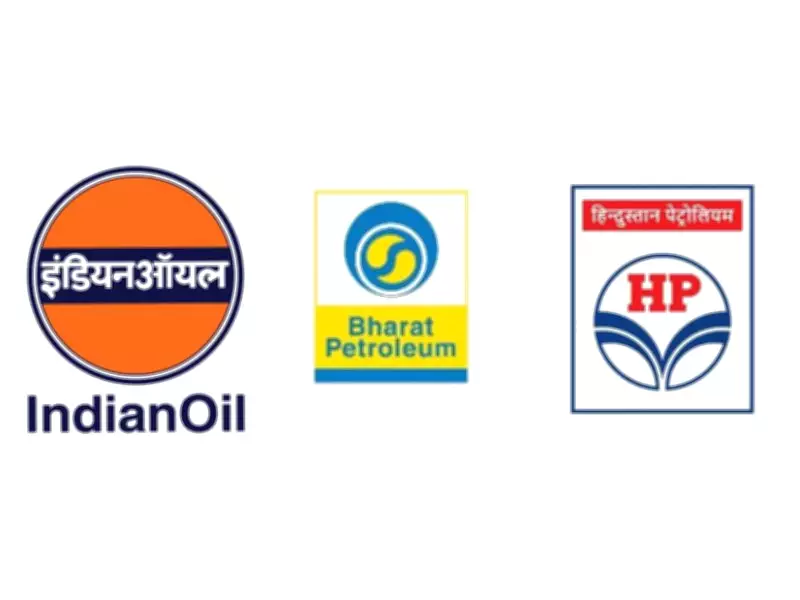
The conflict in West Asia has severely disrupted LPG supply routes, leading to significant shortages that have prompted OMCs to take immediate action. Companies such as Indian Oil Corporation, Bharat Petroleum, and Hindustan Petroleum are now enforcing rationing protocols to allocate available stocks more efficiently. This involves limiting the quantity of LPG cylinders distributed to commercial establishments, including restaurants and industrial units, to ensure that households continue to receive adequate supplies for cooking and heating purposes.
The prioritization of domestic consumers is a critical aspect of this strategy, reflecting the government's commitment to maintaining energy security for the general public. By reducing allocations to commercial sectors, OMCs aim to prevent widespread shortages that could affect daily life and exacerbate economic challenges. Industry experts note that this approach may help stabilize the market in the short term, but long-term solutions will depend on the resolution of the conflict and the restoration of normal supply chains.

Impact on Commercial and Domestic Sectors
Commercial users of LPG are expected to face significant constraints as a result of the rationing measures. Businesses reliant on LPG for operations, such as hospitality and manufacturing, may experience increased costs and operational delays. In contrast, domestic consumers are likely to see minimal disruption, with OMCs working to maintain regular delivery schedules and ensure that household needs are met without interruption. This differential treatment highlights the focus on public welfare amid the crisis.
The situation has also sparked discussions about India's energy dependency and the need for diversified supply sources. With West Asia being a key region for LPG imports, the conflict underscores vulnerabilities in the global energy landscape. Authorities are monitoring the situation closely and may consider additional measures, such as tapping into strategic reserves or exploring alternative suppliers, to mitigate further risks.
Future Outlook and Industry Response
Looking ahead, the duration and severity of the LPG rationing will largely depend on how the West Asia conflict evolves and its impact on international trade. OMCs have assured the public that they are taking all necessary steps to manage supplies responsibly and will adjust policies as needed based on market conditions. Consumers are advised to use LPG efficiently and stay informed about any updates from official channels.
In summary, the rationing of LPG supplies by oil marketing companies represents a proactive response to supply chain challenges caused by the West Asia conflict. By prioritizing domestic consumers, India aims to protect household energy access while navigating the complexities of global geopolitical tensions. This development serves as a reminder of the interconnected nature of energy markets and the importance of strategic planning in times of crisis.