

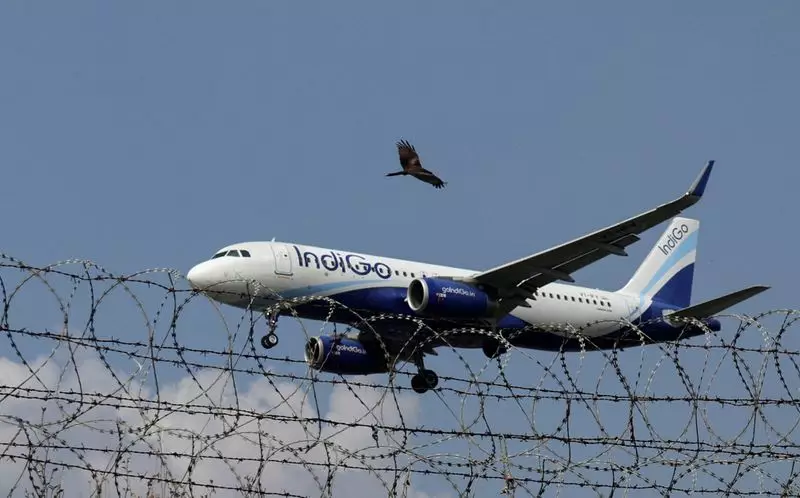
Hundreds of air travelers across India faced severe disruption on Monday as the country's largest carrier, IndiGo, was forced to cancel a significant number of its scheduled services. The airline cited a confluence of operational challenges, including technical issues with its aircraft and severe congestion at key airports, leading to a cascading effect on its network.
A Day of Widespread Disruptions
According to data from flight tracking websites and confirmed by airline sources, IndiGo cancelled more than 70 flights on January 29. The disruptions were not confined to a single region but impacted the airline's pan-India operations. A primary hub, the Indira Gandhi International Airport (IGI) in Delhi, was particularly affected, with multiple IndiGo flights being scrapped from its schedule.
The airline, in an official statement, clarified the reasons behind the massive cancellations. "IndiGo is experiencing a high number of cancellations due to various operational reasons, including bad weather, air traffic congestion, and technical issues with some of our aircraft," a spokesperson said. They emphasized that the cancellations were pre-emptive, aimed at minimizing last-minute inconvenience for passengers.

Behind the Scenes: Crew Shortages and Logistical Nightmares
While the public statement highlighted external factors, internal sources pointed to a critical shortage of cabin crew as a major contributing factor. The disruptions on Monday meant that flight crews were stranded out of their base stations, unable to operate their next scheduled flights. This logistical domino effect, known in airline parlance as "crew displacement," severely hampered the airline's ability to maintain its full schedule on the following day, Tuesday.
Industry experts noted that such large-scale cancellations often stem from a perfect storm of events. A minor technical snag or weather delay at a major hub like Delhi can quickly spiral, as aircraft and crew rotations fall out of sync. The high-density flight schedules operated by low-cost carriers like IndiGo leave little buffer for recovery from such incidents.
Passenger Fallout and Airline Response
The immediate impact was felt by thousands of passengers who found their travel plans in disarray. Social media platforms were flooded with complaints from frustrated flyers reporting cancelled flights, long waits at customer service desks, and difficulties in securing timely refunds or alternative bookings.
In response to the crisis, IndiGo activated its customer service protocols. The airline stated that all affected passengers were being notified through SMS and email. They were offered the choice of a full refund, a rescheduled flight on an alternative date, or a transfer to another airline's flight, subject to availability. The airline also advised passengers to check their flight status via the IndiGo website or mobile app before heading to the airport.
This incident underscores the fragility of air travel operations in India, especially during peak travel periods. It highlights the challenges airlines face in managing tight resources—aircraft and crew—when unexpected disruptions occur. For passengers, it serves as a reminder of the importance of building flexibility into travel plans and purchasing appropriate travel insurance for critical journeys.






