India's Crude Oil Stockpile Remains Robust Amid Global Energy Crisis
Union Minister for Petroleum and Natural Gas, Hardeep Singh Puri, has emphatically stated that India maintains a well-stocked inventory of crude oil, ensuring energy security for the nation. This declaration comes at a critical juncture as global energy markets face significant disruption due to escalating tensions in the Middle East.
Strait of Hormuz Closure Sends Shockwaves Through Global Energy Supply
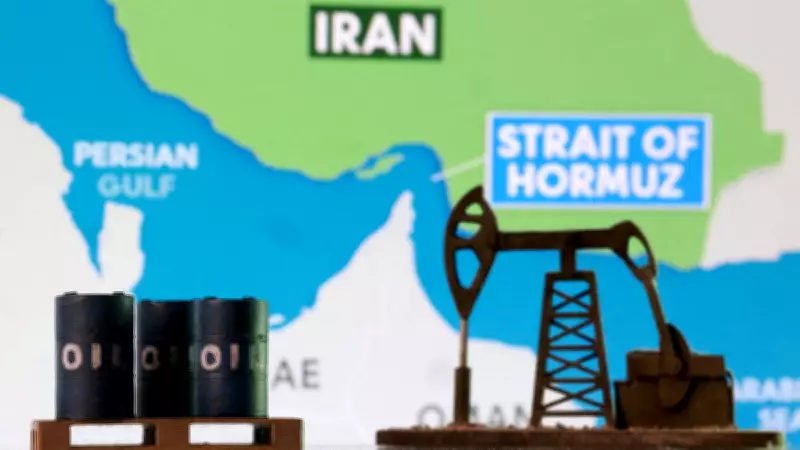
In a recent and alarming development, Iranian military forces launched targeted attacks on multiple oil tankers navigating the strategic waters of the Persian Gulf. This aggressive action has forced the immediate and indefinite closure of the Strait of Hormuz, a narrow maritime passage that serves as one of the world's most vital energy chokepoints.
The Strait of Hormuz is a linchpin for global oil transportation, with approximately one-fifth of the world's petroleum liquids and one-third of all seaborne-traded oil passing through its waters daily. Its closure represents a severe threat to international energy stability and has triggered concerns over potential supply shortages and price volatility in markets worldwide.

Minister Puri Reassures Nation on Strategic Petroleum Reserves
Addressing the media and the public, Minister Hardeep Singh Puri moved swiftly to allay fears regarding India's energy preparedness. "Our nation's strategic petroleum reserves are at optimal levels, and we have diversified our crude oil sourcing to mitigate such geopolitical risks," Puri affirmed. He highlighted the government's proactive measures in building substantial buffer stocks and securing alternative supply routes to cushion the impact of such international incidents.
The minister's statement underscores India's strategic focus on energy independence and security, particularly in light of its status as one of the world's largest importers of crude oil. The government has been actively:
- Enhancing domestic storage capacities for crude oil and petroleum products.
- Forging long-term supply agreements with multiple oil-producing nations beyond the Middle East.
- Investing in renewable energy sources to gradually reduce dependency on fossil fuel imports.
Global Implications and India's Diplomatic Stance
The Iranian attack and subsequent closure of the Strait of Hormuz have sent ripples across the global economy, with oil prices experiencing sharp fluctuations. Analysts predict that prolonged closure could lead to:
- Significant increases in global crude oil and fuel prices.
- Disruptions in supply chains for nations heavily reliant on Middle Eastern oil.
- Potential diplomatic and military escalations in the region.
India, while maintaining its strategic reserves, is closely monitoring the situation. The government is engaged in diplomatic channels to advocate for a peaceful resolution and the swift reopening of this crucial maritime route. Minister Puri emphasized that India's energy policy prioritizes both affordability and reliability for its citizens and industries, even amidst such global challenges.
As the situation develops, the Ministry of Petroleum and Natural Gas continues to coordinate with international partners and domestic agencies to ensure a steady flow of energy resources. The assurance from Minister Puri provides a measure of stability, highlighting India's resilience in the face of external shocks to the global energy landscape.