Gurgaon Police Lathicharge Protesting Contractual Workers in Manesar, Several Injured
In a tense turn of events in Gurgaon, police had to resort to minor lathicharge on Thursday to disperse a large gathering of contractual workers protesting for salary hikes in the Manesar industrial area. The incident left several protesters injured, including one who suffered a blow to the head, as authorities enforced prohibitory orders imposed just a day earlier.
Prohibitory Orders and Escalating Tensions
The district administration, led by District Magistrate and Deputy Commissioner Ajay Kumar, had imposed Section 163 of the Bharatiya Nagarik Suraksha Sanhita, 2023, in IMT Manesar and adjoining areas on Wednesday. This move was a preemptive measure following police alerts about potential protests that could disrupt public peace, obstruct traffic, and threaten safety.
As protesters gathered in large numbers outside their workplaces on Thursday, police reminded them of the prohibitory orders. However, the situation escalated when workers began raising slogans demanding salary increases, prompting law enforcement to use mild force to break up the assembly.

Violence and Injuries Reported
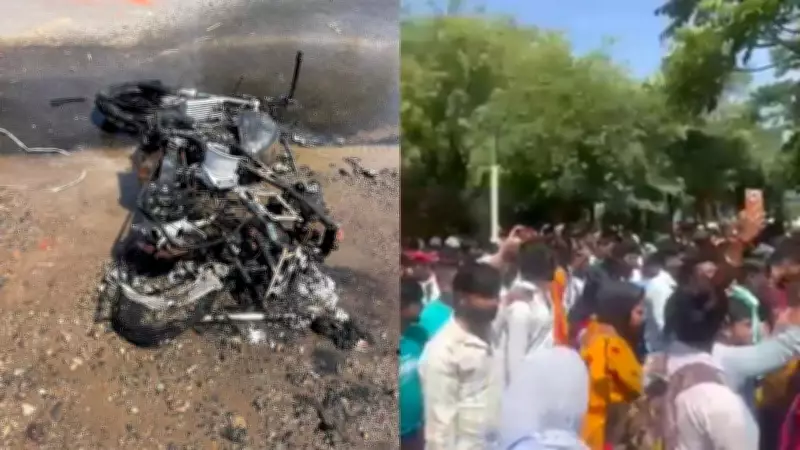
During the confrontation, the mob set a police bike on fire, according to fire officers. Police are likely to register a case in connection with the incident. Several contractual workers were seen running to safety after the lathicharge, with injuries reported among the protesters. One individual sustained a significant head injury, highlighting the severity of the clash.
Authorities had deployed police personnel in advance, suspecting such unrest, to prevent any untoward situations. Deputy Commissioner Ajay Kumar emphasized that the prohibitory orders aim to ensure public safety, maintain peace, and keep traffic movement smooth. The order took immediate effect and will remain in force until further directions.
Strict Restrictions Under the Order
The prohibitory orders impose several stringent restrictions in the IMT Manesar region:
- Gathering of five or more people without permission is strictly prohibited.
- Carrying weapons of any kind, including firearms, swords, sticks, spears, axes, jelly, gandasa, and knives, in public places is banned.
- Blocking roads or creating traffic disruptions is similarly restricted.
These restrictions do not apply to police personnel and other government employees on duty. Traditional community activities with prior permission and persons with disabilities are exempted. However, the DC cautioned that any misuse of these exemptions or attempts to disturb law and order will invite strict action.
Background: Salary Demands and Government Wage Hike
The protests stem from contractual workers' long-standing demands for salary hikes. Ironically, on Wednesday, the Haryana government announced a decision to increase minimum wages by 35%, effective from April 1. Haryana Labour Minister Anil Vij detailed the increases:
- Unskilled workers: Wages increased from Rs 11,274 to Rs 15,220, a rise of about Rs 3,945.
- Semi-skilled workers: Wages increased from Rs 12,430 to Rs 16,780, an increase of Rs 4,350.
- Skilled workers: Wages increased from Rs 13,704 to Rs 18,500, marking an increase of Rs 4,796.
- Highly skilled workers: Wages increased from Rs 14,389 to Rs 19,425, reflecting an increase of Rs 5,036.
Minister Vij linked this wage increase to the implementation of four new labour codes on November 21, 2025: the Code on Wages, 2019; the Industrial Relations Code, 2020; the Social Security Code, 2020; and the Occupational Safety, Health and Working Conditions Code, 2020. These codes have simplified and consolidated 29 old and fragmented labour laws in the country.
Vij expressed confidence that this historic wage increase will bring positive changes in the lives of workers and provide economic strength to their families. Despite this announcement, the protests in Manesar indicate ongoing dissatisfaction among contractual workers, leading to the violent clash with police.
The situation in Gurgaon remains tense as authorities monitor the area to prevent further unrest, while workers' demands continue to highlight broader issues of labour rights and economic disparities in the region.