Government Intensifies LPG Distribution to Counter Hormuz Strait Disruptions
The Indian government has taken proactive measures to ramp up the supply of Liquefied Petroleum Gas (LPG) across the nation. This strategic move aims to preemptively address potential shortages that could arise from escalating geopolitical tensions in the Hormuz Strait, a critical maritime chokepoint for global oil shipments.
Ensuring Uninterrupted Domestic Fuel Availability
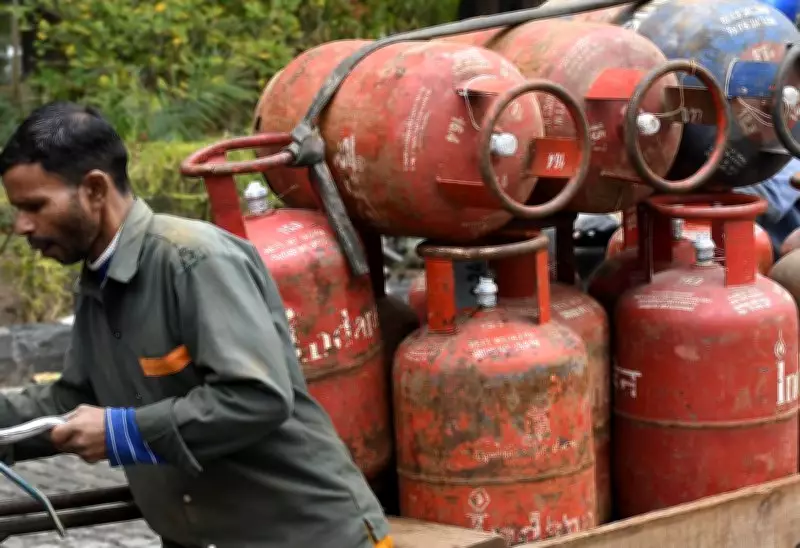
Officials have confirmed that additional LPG cylinders are being dispatched to distributors and retailers to maintain steady inventory levels. The government is closely monitoring the situation and has assured the public that there are ample reserves to meet domestic demand for cooking gas in the coming weeks.
Key stakeholders in the energy sector have been instructed to prioritize household LPG deliveries, ensuring that essential services remain unaffected. This includes coordinating with oil marketing companies to optimize logistics and distribution networks.

Public Urged to Avoid Panic Buying
In light of the developments, authorities have issued a firm appeal to citizens to refrain from panic buying or hoarding LPG cylinders. Such actions could lead to artificial shortages and disrupt the supply chain, exacerbating the situation unnecessarily.
The government emphasizes that current stockpiles are robust and that contingency plans are in place to handle any unforeseen disruptions. Consumers are encouraged to rely on official communications and avoid spreading unverified rumors.
Geopolitical Context: The Hormuz Strait Factor
The Hormuz Strait, located between Oman and Iran, is a vital passageway for approximately one-fifth of the world's oil exports. Recent tensions in the region have raised concerns about potential blockades or attacks that could impede the flow of crude oil and refined products, including LPG.
India, being heavily dependent on imports for its energy needs, is particularly vulnerable to such disruptions. The government's swift response underscores its commitment to energy security and economic stability, aiming to cushion the impact on households and industries alike.
Officials are also exploring alternative supply routes and bolstering diplomatic efforts to ensure the safe transit of oil tankers through the strait. This multi-pronged approach seeks to mitigate risks and maintain a steady inflow of essential fuels.