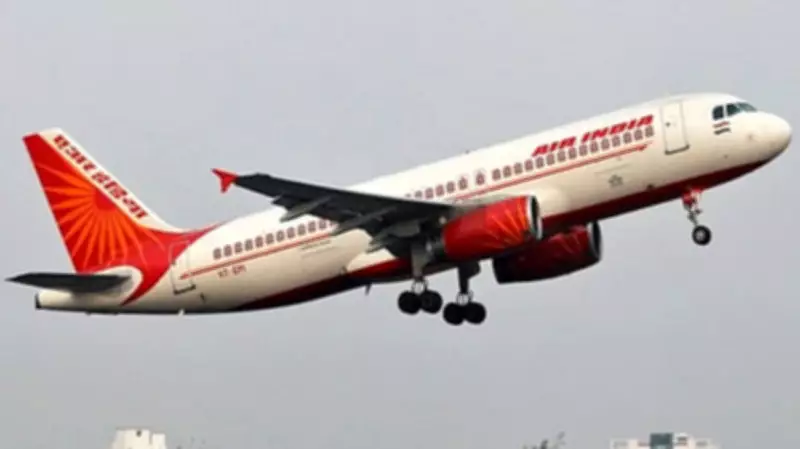
Government Imposes Cap on ATF Price Hike for Domestic Airlines
In a significant move to shield the domestic aviation industry from the volatility of global markets, the Indian government has announced a cap on the price increase of Aviation Turbine Fuel (ATF) for domestic airlines. This decision comes amid a sharp surge in global oil prices, which has been putting immense pressure on airline operating costs and threatening fare stability for passengers.
Addressing Global Price Pressures
The global energy landscape has witnessed a dramatic uptick in crude oil prices, driven by geopolitical tensions and supply chain disruptions. This surge has directly impacted ATF costs, a major expense for airlines, leading to concerns over potential fare hikes and financial strain on carriers. In response, the government has stepped in with a regulatory measure to cap the ATF price hike, aiming to provide relief and maintain affordability in air travel.
Details of the Price Cap
The cap limits the extent to which ATF prices can be increased for domestic airlines, effectively buffering them from the full brunt of global price fluctuations. This intervention is expected to:

- Stabilize operating costs for airlines, preventing sudden spikes that could disrupt budgets.
- Protect consumers from sharp fare increases, ensuring continued accessibility to air travel.
- Support the aviation sector's recovery post-pandemic by reducing financial uncertainties.
Officials have emphasized that this measure is part of broader efforts to foster a resilient aviation ecosystem in India, balancing market dynamics with public interest.
Impact on the Aviation Industry
The cap is anticipated to have a positive ripple effect across the industry. Airlines can now plan their finances with greater predictability, potentially leading to more stable pricing strategies and improved service offerings. Moreover, this move aligns with the government's vision to boost domestic connectivity and tourism, sectors heavily reliant on affordable air travel.
Industry experts have welcomed the decision, noting that it could help prevent a repeat of past crises where fuel costs crippled airline profitability. However, they also caution that long-term solutions, such as diversifying energy sources and enhancing efficiency, remain crucial for sustainable growth.
Global Context and Future Outlook
While the cap addresses immediate concerns, the global oil market remains unpredictable. The government's action underscores a proactive approach to domestic economic management, setting a precedent for how nations can shield key industries from external shocks. Looking ahead, stakeholders are calling for continued monitoring and potential adjustments to the cap based on evolving market conditions.
In summary, the ATF price cap represents a strategic intervention to safeguard India's aviation sector, ensuring that domestic airlines can navigate global challenges without compromising on service or affordability. This move highlights the government's commitment to supporting critical industries amid fluctuating global trends.