

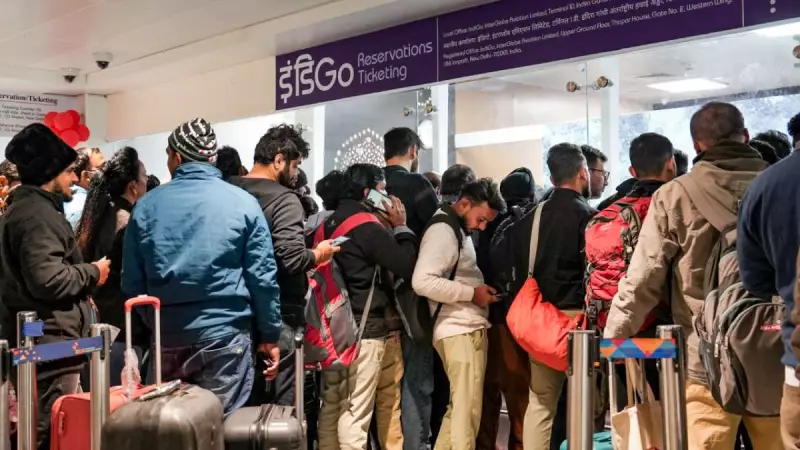
The Directorate General of Civil Aviation (DGCA) has stepped in with a stern directive to all Indian airlines following a significant disruption in services from the country's largest carrier, IndiGo. The regulator has ordered airlines to ensure reasonable pricing and seat availability for passengers, warning of strict action against any carrier found exploiting the situation.
Regulator's Directive Amid Operational Crisis
This intervention comes in direct response to a major technical system failure that hit IndiGo on December 5th and 6th, 2025. The glitch severely impacted the airline's operations, leading to widespread flight delays and cancellations across its network. As passengers scrambled to find alternative flights on other airlines, social media was flooded with complaints about exorbitant last-minute airfares on competing carriers, taking advantage of the sudden surge in demand.
The DGCA, taking note of the public outcry, acted swiftly. In its official communication to airline CEOs, the aviation watchdog emphasized that airlines must adhere to established norms and not engage in predatory pricing. The directive explicitly states that carriers must ensure sufficient seat availability at reasonable prices to accommodate affected passengers. The regulator made it clear that monitoring is ongoing and any non-compliance will be met with serious consequences.

IndiGo's Technical Troubles and Passenger Fallout
The root of the crisis was a technical failure in IndiGo's internal systems, which began impacting operations on Thursday, December 5th. The problem persisted into Friday, December 6th, causing a cascading effect on its flight schedule. While the airline's technical teams worked around the clock to resolve the issue, the damage to passenger plans was already done.
IndiGo, which commands a lion's share of the domestic market, issued a travel advisory acknowledging the disruption. The airline advised passengers to check their flight status before heading to the airport. For those whose flights were canceled, the airline offered the standard options of a full refund or rescheduling on an alternative IndiGo flight. However, with the system down, even processing these requests became a challenge, leaving thousands of travelers in limbo at major airports like Delhi, Mumbai, and Bengaluru.
Broader Implications for Aviation Governance
The DGCA's firm stance highlights a growing focus on consumer protection within India's rapidly expanding aviation sector. The regulator's move to preemptively warn airlines against price gouging sets a significant precedent. It signals that authorities are now closely watching not just safety and operational metrics, but also market behavior during times of crisis.
This incident raises important questions about the resilience of airline IT infrastructure. As carriers increasingly rely on complex digital systems for reservations, operations, and crew management, a single point of failure can have nationwide repercussions. The event also underscores the need for more robust contingency plans across the industry to protect passengers from both operational hiccups and financial exploitation.
The coming days will be crucial. The DGCA will be monitoring fare patterns closely, and airlines will need to demonstrate compliance. For passengers, the hope is that this regulatory intervention will bring some much-needed relief and ensure that fair pricing is maintained during unexpected operational disruptions in the future.






