

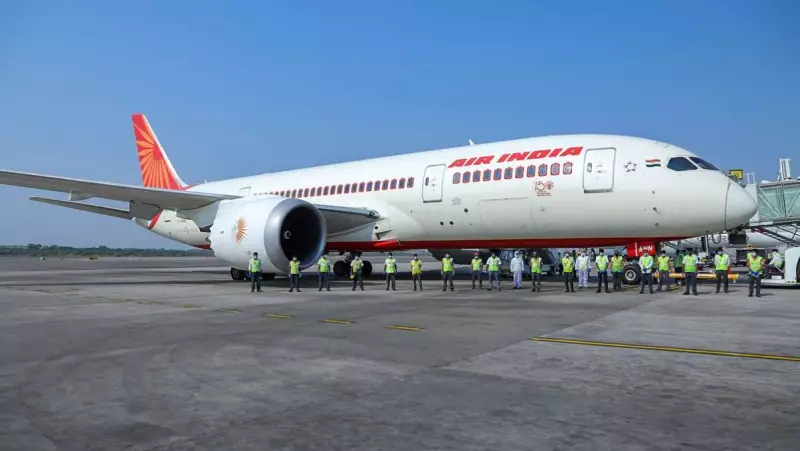
The Directorate General of Civil Aviation (DGCA) has initiated a formal investigation into a serious safety lapse by Air India. The national carrier allegedly operated an Airbus A320 aircraft on multiple flights in November 2025 without a valid Certificate of Airworthiness (CoA), a mandatory document that declares an aircraft safe to fly.
The Alleged Safety Violation
According to the preliminary information gathered by the regulator, the incident involved an Airbus A320 aircraft. The crucial Certificate of Airworthiness for this specific plane had expired. Despite this, Air India reportedly continued to use the aircraft for scheduled passenger flights throughout November 2025.
The CoA is not a mere formality; it is a fundamental legal document issued by the DGCA. It certifies that an aircraft conforms to its approved type design and is in a condition for safe operation. Operating without it is a direct violation of India's Aircraft Rules, 1937, and raises immediate red flags about procedural and safety oversight within the airline's engineering and operations departments.

DGCA's Immediate Response and Investigation
Upon discovering the lapse, the DGCA swiftly moved into action. The regulatory body has launched a detailed probe to uncover the full scope of the incident. Investigators are focusing on several critical questions:
- For exactly how many flights and on which specific routes was the aircraft operated without the valid certificate?
- Which departments and individuals within Air India were responsible for the oversight that allowed this to happen?
- What are the systemic failures in Air India's maintenance and release-to-service checks that permitted this breach?
The investigation aims to determine whether this was an isolated clerical error or a symptom of a deeper safety management failure within the airline. The DGCA's findings will be crucial in deciding the next steps, which could range from issuing a show-cause notice to imposing financial penalties or other enforcement actions against Air India.
Implications for Air India and Passenger Safety
This incident comes at a sensitive time for Air India, which is undergoing a major transformation under the ownership of the Tata Group. While there have been no reports of any technical incidents or safety emergencies related to this particular A320's flights in November, the regulatory breach is severe in itself.
The probe underscores the intense scrutiny under which Indian airlines operate and highlights the non-negotiable nature of aviation safety protocols. For passengers, the incident is a stark reminder of the complex web of checks and certifications that underpin every commercial flight. The DGCA's proactive investigation is part of its mandate to ensure that airlines adhere to the highest safety standards, leaving no room for compromise.
The outcome of this investigation will be closely watched by the entire aviation industry. It will signal how India's regulator handles compliance failures in the post-pandemic expansion phase and set a precedent for accountability. Air India is expected to cooperate fully with the DGCA and likely conduct its own internal review to plug the procedural gaps that led to this embarrassing and serious safety violation.






