Deutsche Bank's India GCC Workforce Shows Enthusiasm for AI-Driven Change
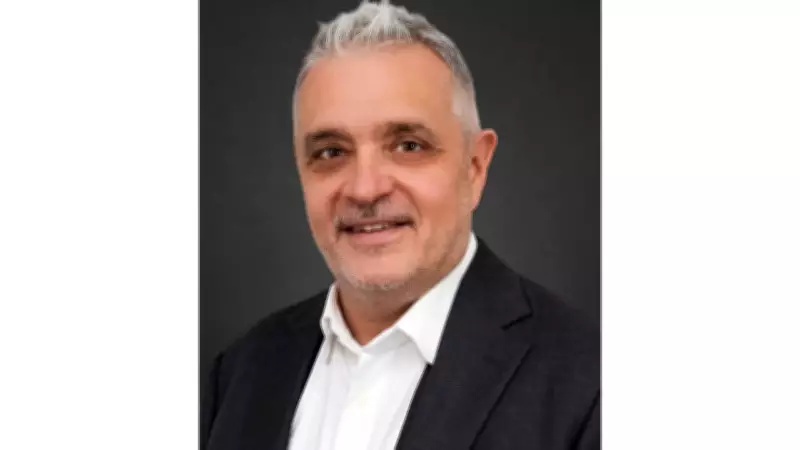
In a recent interview, Stefan Schaffer, MD & CEO of Deutsche India Pvt Ltd (DIPL), highlighted the proactive mindset of the workforce at Deutsche Bank's global capability centre (GCC) in India. Employees are more enthused about the prospect of change brought by new technologies like artificial intelligence, attributing this positivity to developments such as UPI. The institution's in-house incubator has already received 100 ideas within the first 100 days, showcasing a vibrant culture of innovation.
Roles and Structure Enhancing Responsiveness
Schaffer holds three key roles: CIO of Corporate and Shared Functions, CEO of Deutsche India, and overseer of all engineering-focused tech centers globally. This dual structure ensures that local heads are deeply embedded in critical bank functions, making the India centres integral parts of Deutsche Bank rather than remote offshoring hubs. With over 20,000 employees in India across Pune, Bangalore, Jaipur, and Mumbai, the workforce's openness to change is a significant asset, especially for a 150-year-old institution.
Strategic Evolution and Investment Focus
Two years ago, the focus was on India becoming a center of excellence. Since then, the strategy has evolved from growth-driven to emphasizing decision-making and ownership. The IT structure has shifted from 30% internal staff to 70% internal personnel, with 70% being engineers. The new four-year strategy, "70-50-30," aims to have 70% of engineers internal and in tech centers, 50% of portfolio owners, and 30% of senior leadership based in these centers to ensure true ownership and end-to-end understanding of banking processes.

AI Initiatives and Innovation Examples
AI is a major focus, with the "AI Forward" program in India comprising three pillars: massive training on large language models for 20,000 people, embedding experts for prototyping, and an incubator for employee ideas. Innovations include an AI-driven Customer Relationship Management tool and "DBTextract," which processes unstructured documents using Google technology. These solutions originated from teams in India, demonstrating the centre's capability to drive both individual and enterprise-level projects.
Future Outlook and Geopolitical Considerations
Schaffer believes core backbone platforms will remain critical, with AI enhancing flexibility in development. While a human in the loop is currently needed for accountability, he foresees a shift as AI proves safer. Geopolitical events and tariffs have not significantly altered location strategies, with long-term plans guiding investments. Currency fluctuations like the weakening rupee do not drive operational decisions, focusing instead on sustained growth cycles.
Since relocating to India, Schaffer has been encouraged by the workforce's proactive mindset, seeing it as a strength in navigating a rapidly evolving global landscape.